
What’s the Alternative to Lawns?
Geographically-Appropriate Landscaping
Sure, a lush green lawn looks nice. But in reality, it’s kind of a diva—always demanding water, attention, and chemical cocktails. Across the US, lawns guzzle precious resources and offer little in return. Fortunately, there’s a smarter way to garden. Let’s break it down by region, so you can ditch the grass (or at least shrink it) and still have a gorgeous, eco-friendly yard.
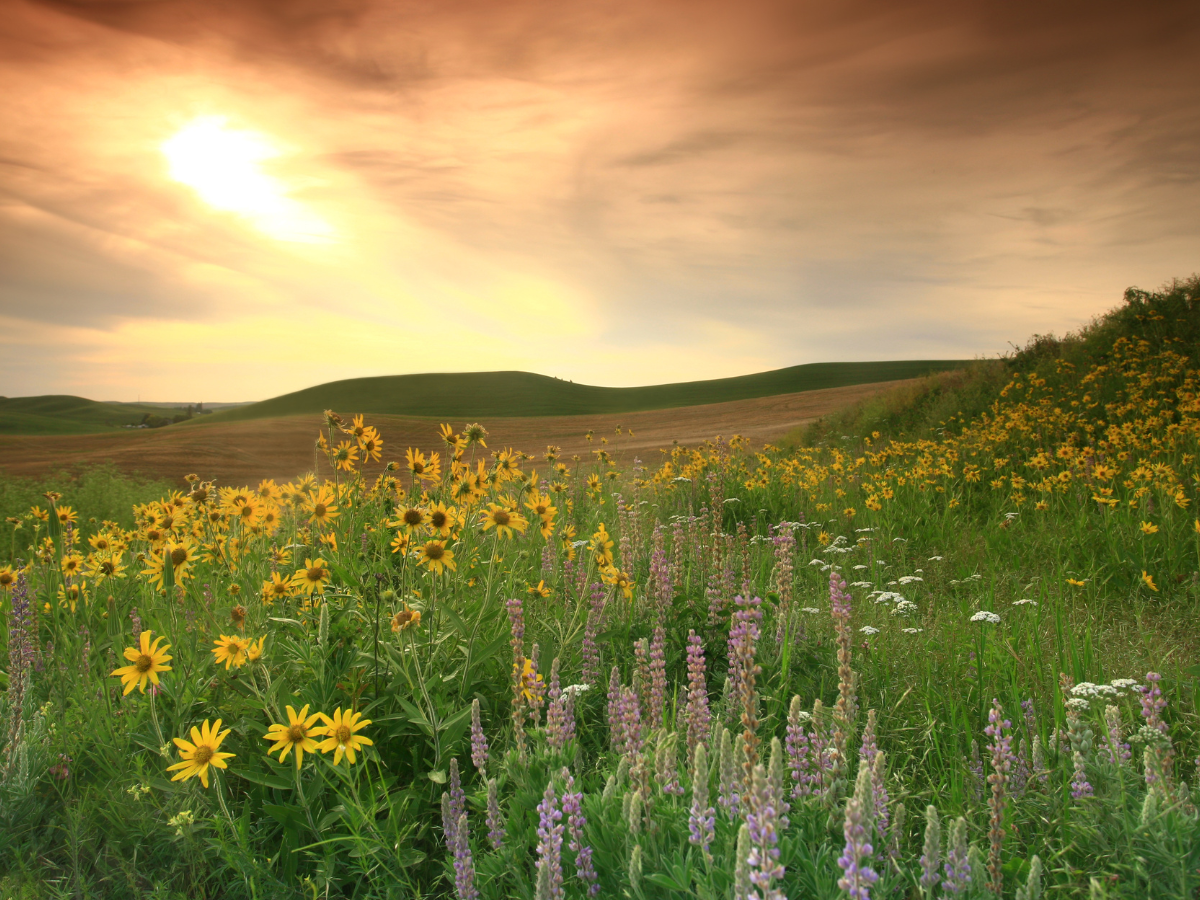
The Great Plains
Open space? Yes. Open lawn? Not necessary.
The plains have plenty of natural beauty—but the standard American lawn isn’t really part of it. Lawns here often rely on irrigation and imported grass types that aren’t suited to the region’s semi-arid climate and strong winds.
What to do instead:
Shrinking your lawn here helps restore vital prairie ecosystems—and can actually look more open and natural than turf ever could.
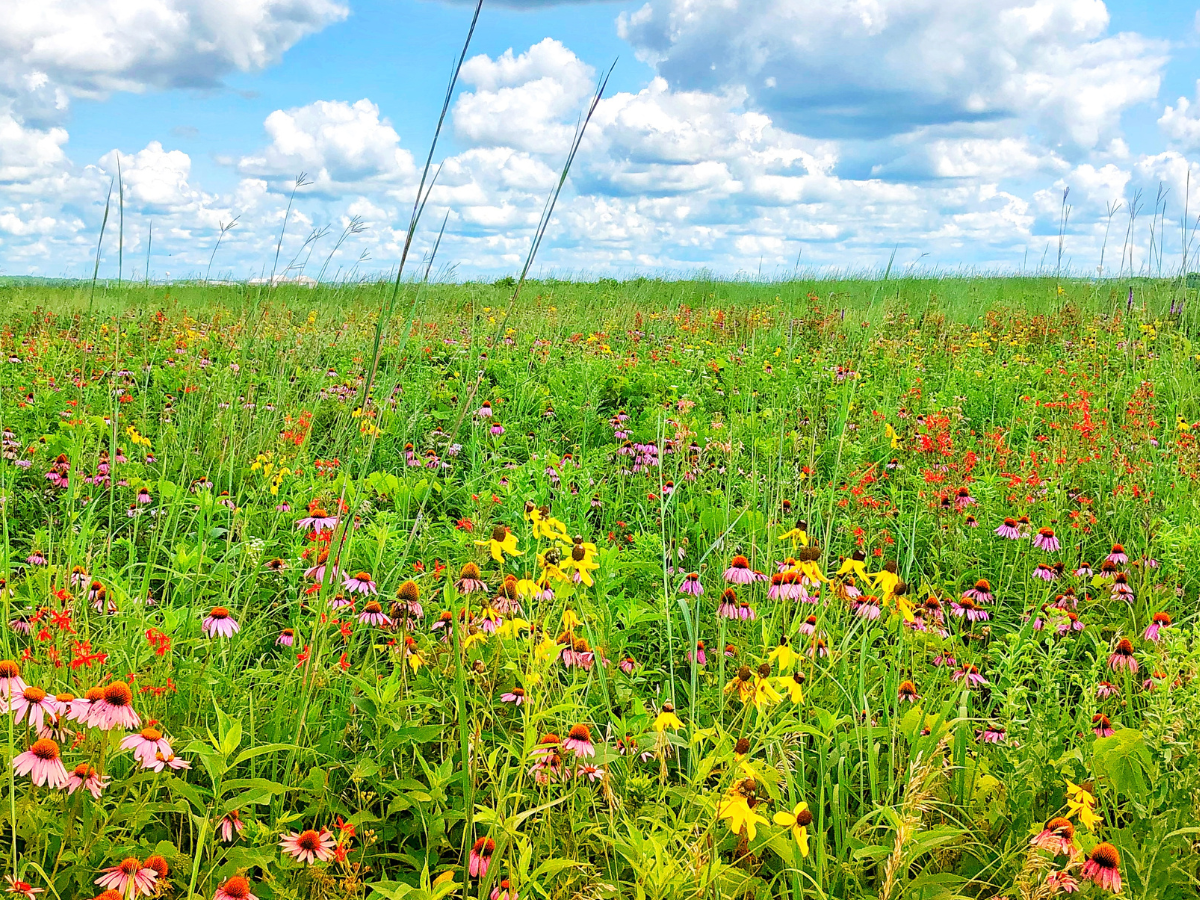
Midwest
Too much grass + too much mowing = too much hassle.
Midwestern summers are humid, and the growing season is long—which means your lawn doesn’t quit. That sounds nice until you realize you’re spending every Saturday pushing a mower. Plus, excessive fertilization and watering in this region contribute to nutrient runoff into waterways, like the dead zone in the Gulf of Mexico (caused in part by Midwestern fertilizer runoff).
What to do instead:
Think of it as restoring a bit of the prairie or wetland that once blanketed your region—with way less mowing.
Northeast
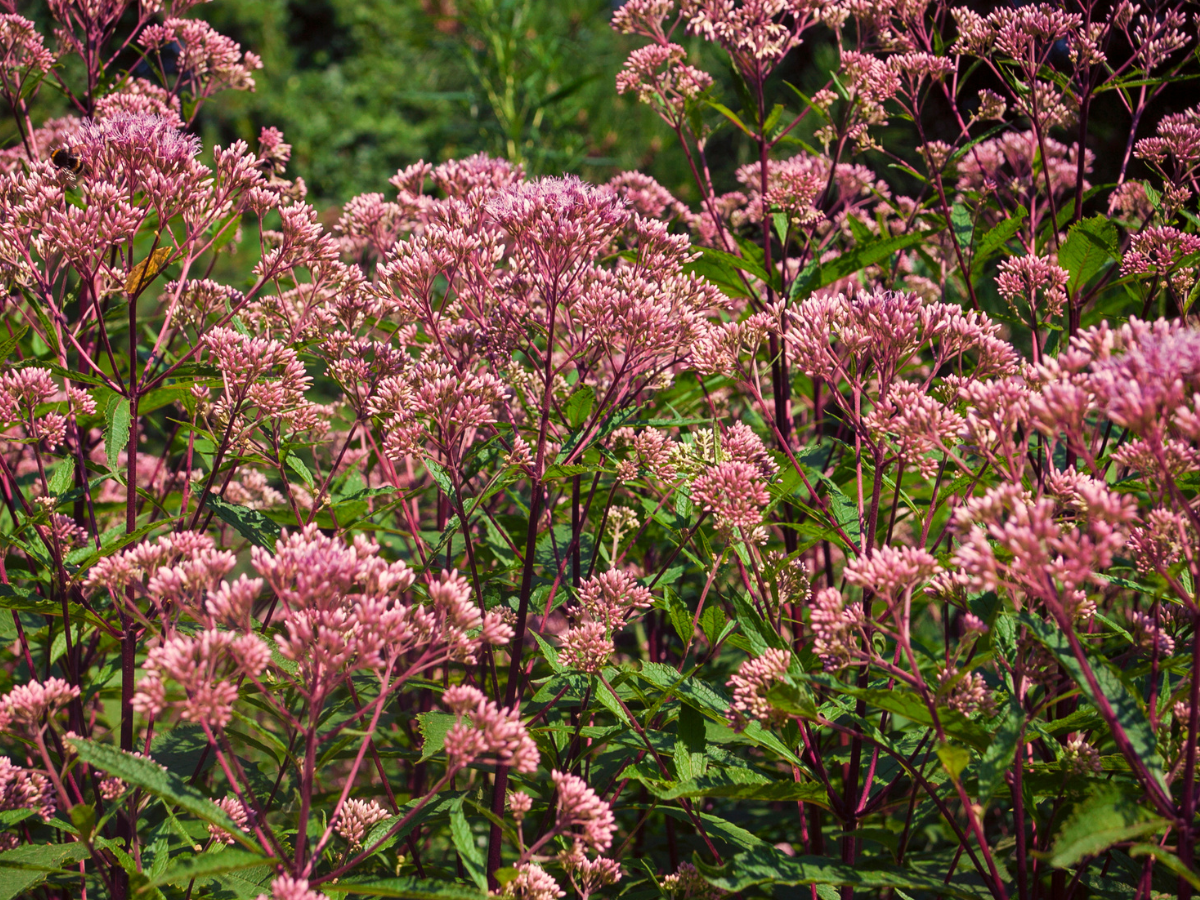
The seasons are dramatic—your lawn doesn’t have to be.
With four distinct seasons, Northeastern lawns take a beating. Lawns often struggle to recover, so homeowners throw down synthetic fertilizers and pesticides to help them bounce back.
What to do instead:
Your garden can evolve with the seasons—and still be gorgeous without the turf tantrums.
Pacific Northwest
Rain is your friend. But grass still needs work.
Sure, it rains here—but lawns still need summer irrigation to stay green when the dry months hit. Plus, mold, moss, and soggy soil mean that many lawns struggle to look their best without a lot of extra care (and chemicals).
What to do instead:
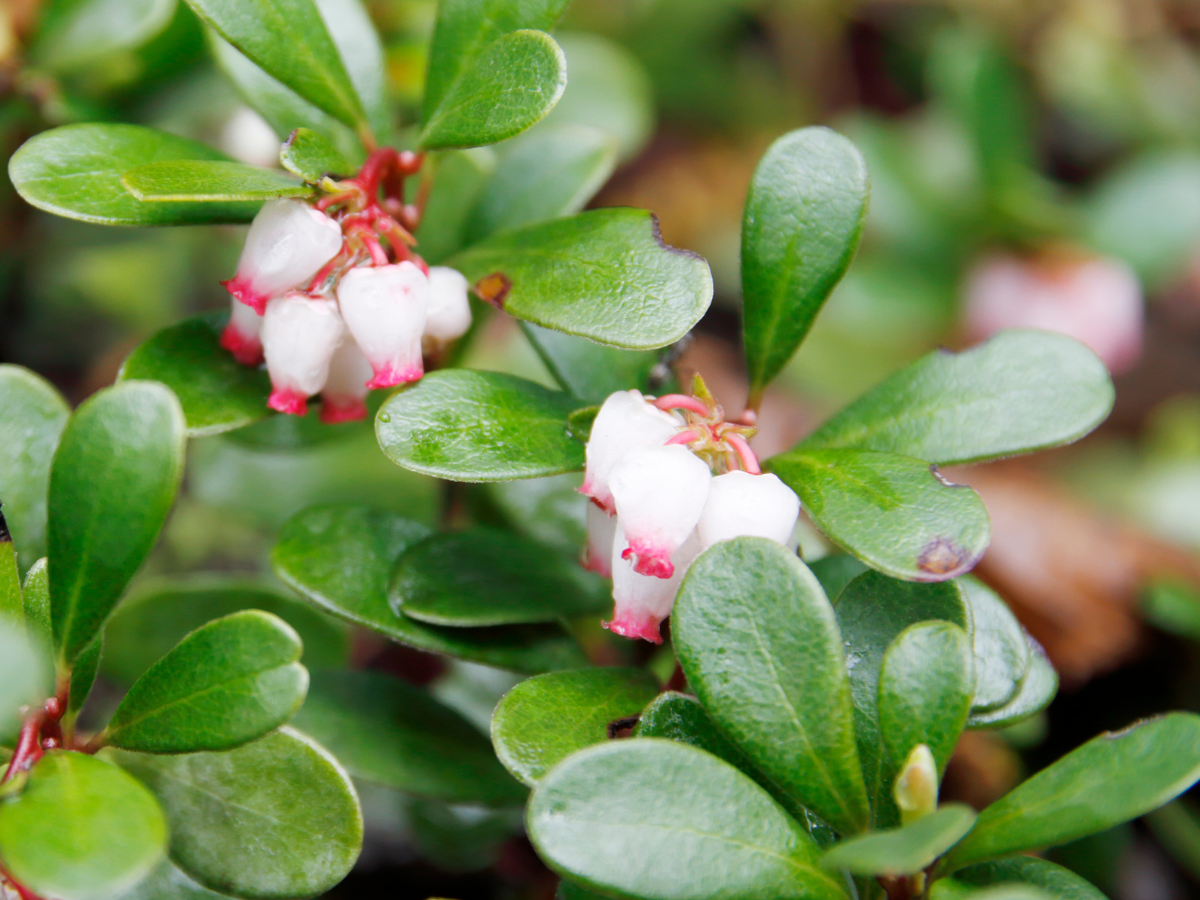
You’ll save water and time—and your garden will fit right in with the misty forests.
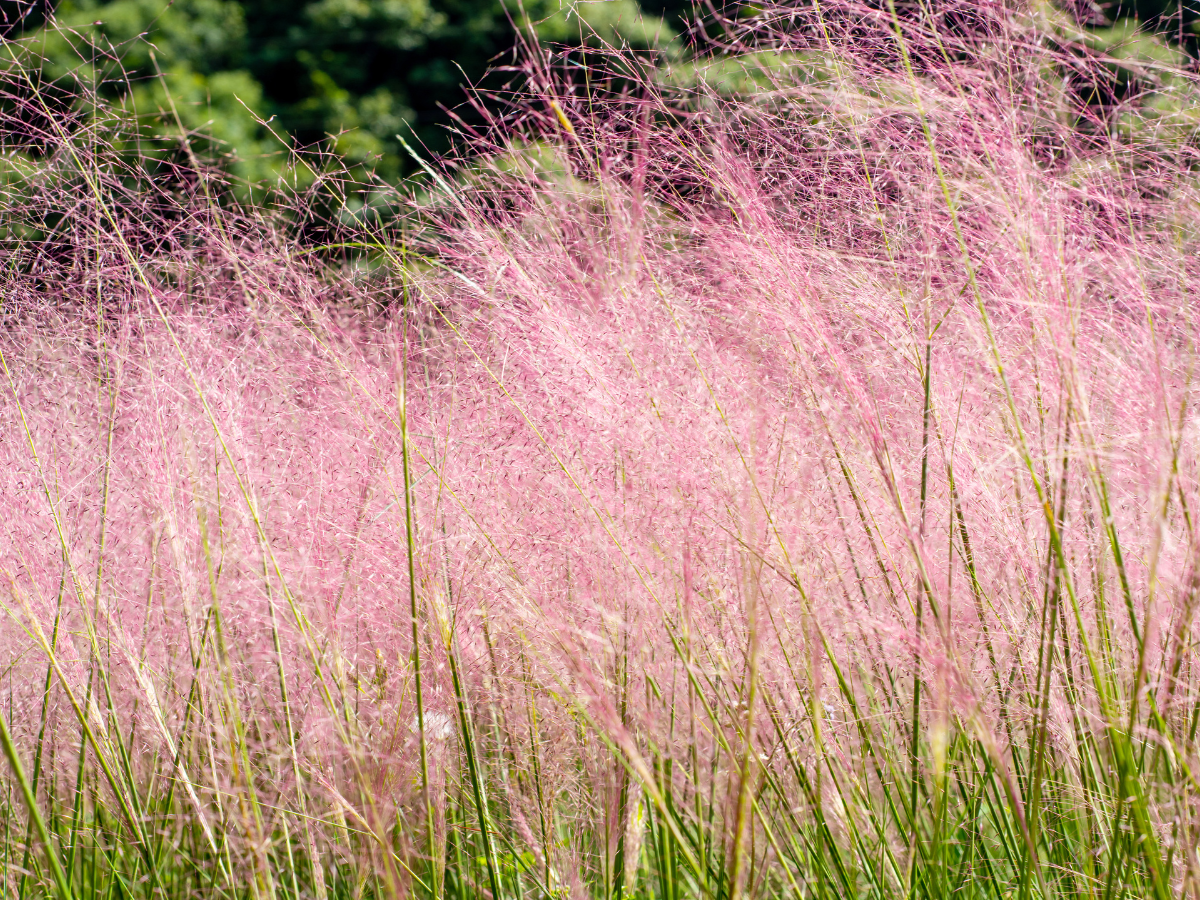
Southeast
The grass grows fast—and the bugs do, too.
In the Southeast, everything grows fast, including your grass, weeds, and thatch. Combine that with humidity, and you’ve got a recipe for fungal diseases, pests, and a near-constant battle to keep things tidy. Many homeowners lean heavily on chemical treatments, which harm waterways and wildlife.
What to do instead:
Your yard will still be vibrant and tropical—but with less fertilizer and more butterflies.
Southwest
The lawn here is a water hog in a desert masquerade.
Water is gold in the Southwest—and lawns act like they’ve got an unlimited supply. With record droughts and climate change, this region is ground zero for water-wise landscaping. According to the U.S. Drought Monitor, large parts of the Southwest are under chronic drought conditions. Yet many homes still maintain thirsty grass that needs thousands of gallons per year to survive.
What to do instead:
Bonus: Cities like Las Vegas will literally pay you to rip out your lawn. The Southern Nevada Water Authority offers rebates of $3 per square foot for turf removal.

Shrinking your lawn doesn’t mean sacrificing beauty or pride. Across the US, regionally appropriate landscaping is catching on—and it’s not just good for your yard. It’s good for your water bill, your Saturday mornings, your family, and the planet. So, whether you’re trading grass for gravel or turning your yard into a buzzing flower haven, remember: less lawn = more life.