
New Resource Database Coming Soon
This fall, we’re launching a searchable database with filters for geographically-specific resources. Bookmark this page or join our social channels to learn about the launch.
Sunshine, soil, and science — turns out that’s a pretty magical combo for learning! Kids who dig into garden-based lessons alongside their classroom work tend to score higher on science tests than their indoor-only peers (Klemmer, 2002). Why? Because nothing beats the thrill of watching a seed sprout, measuring rainfall like a mini meteorologist, or discovering that yes, bugs can be good guys.
School gardens turn textbook concepts into real-life adventures. From witnessing the life cycle of a butterfly to spotting bees in action, students gain a hands-on understanding of ecosystems, food sources, and the environment. The result? A deeper reverence for nature, a stronger sense of environmental stewardship — and maybe even a newfound love for worms.
The resources below will engage your classroom of budding botanists in science, math, and the arts. For related children’s books, see our Resources for Kids page.
Gardening for Wildlife
Curriculum and Activities
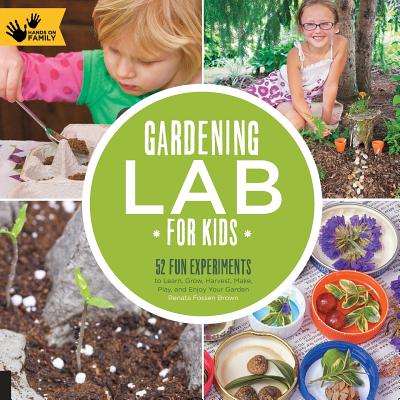
Gardening Lab for Kids: 52 Fun Experiments to Learn, Grow, Harvest, Make, Play, and Enjoy Your Garden
Renata Fossen Brown
A refreshing source of ideas to help your children learn to grow their own patch of earth, Gardening Lab for Kids encourages children to get outside and enjoy nature. This fun and creative book features 52 plant-related activities set into weekly lessons, beginning with learning to read maps to find your heat zone, moving through seeds, soil, composting, and then creating garden art and appreciating your natural surroundings. Author Renata Fossen Brown guides your family through fun opportunities learning about botany, ecology, the seasons, food, patience, insects, eating, and cooking.
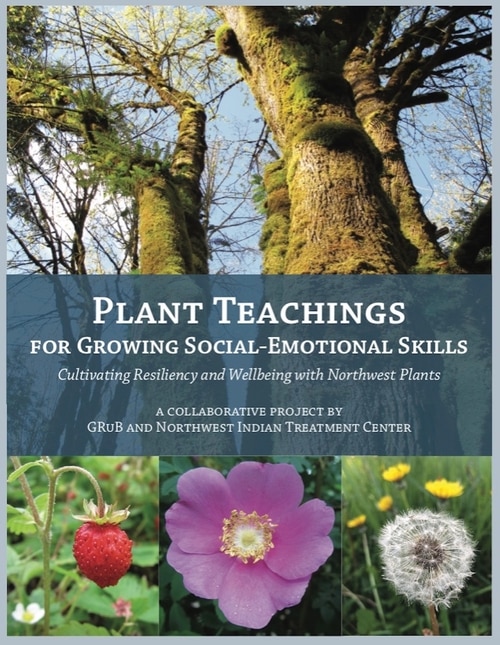
Plant Teachings for Growing Social-Emotional Skills
Native Plants & Foods Institute
The Plant Teachings for Growing Social-Emotional Skills Toolkit includes a book, plant teaching cards, movement videos, an activity guide, and infographics, and was developed through a partnership between GRuB, Squaxin Island Tribe’s Northwest Indian Treatment Center, and Seattle Indian Health Board.
The toolkit is intended for mental health workers, educators, and community members who are exploring behavioral health skills that are rooted in the land and Coast Salish culture. Resources can be integrated into many different settings including behavioral health programs, community health and wellness classes, K-12 social-emotional lessons, and outdoor education programs.
Resources Library
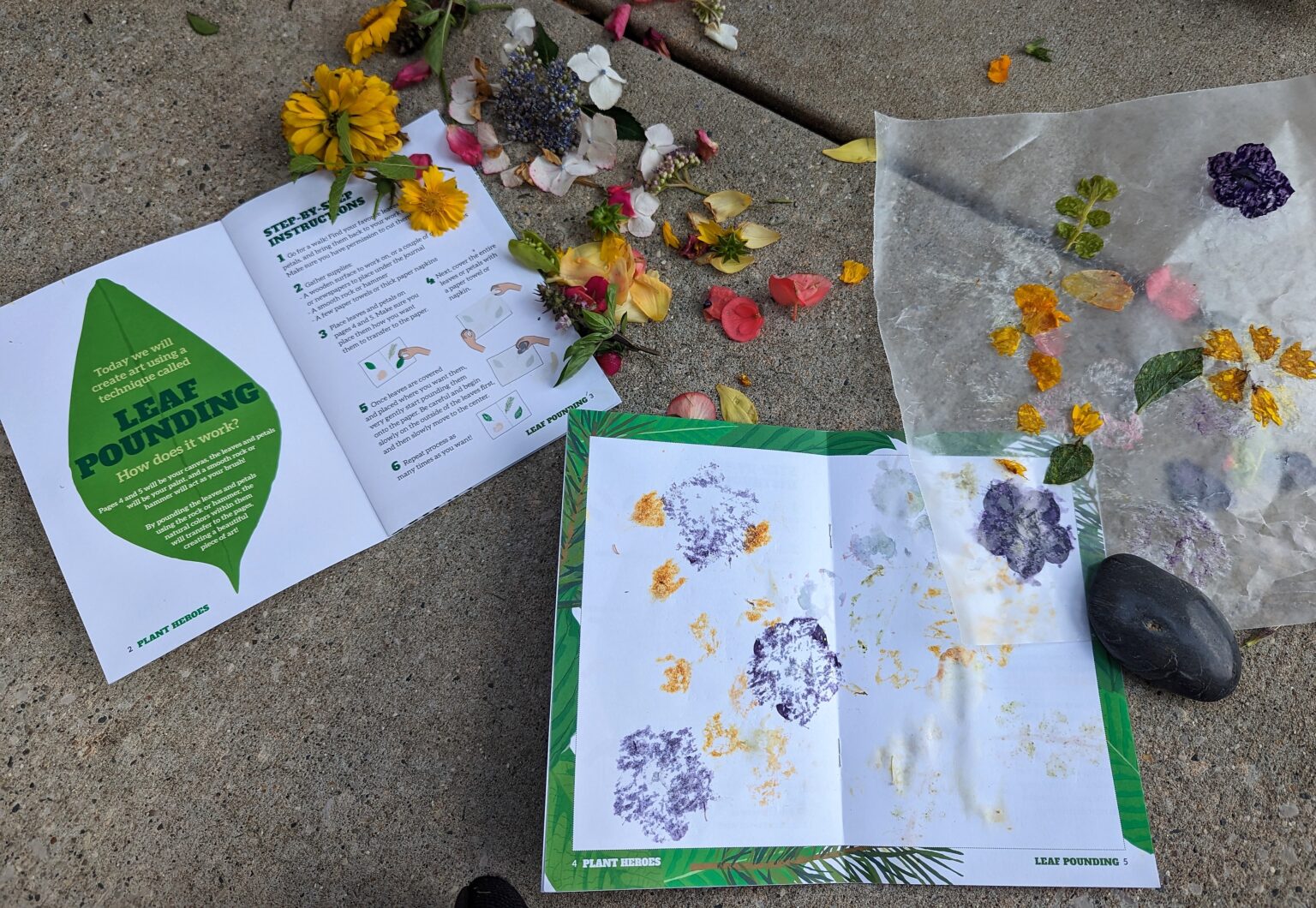
Plant Heroes
Plant Heroes provides parents and educators with hands-on, nature-based learning materials designed by ecology and education experts to engage children in topics of forest health, ecology, and plant conservation. Plant Heroes also connects communities to their public gardens – those crucial protectors of plants and ecosystems and inspiring, educational places to visit.
WILD School Sites: Improving Wildlife Habitat on School Grounds
Project Wild
WILD School Sites is designed to help students and teachers take constructive action to improve their communities for people and wildlife, beginning on their school grounds. Ideal for formal educators of elementary, middle, and high school students and adaptable to non-formal settings.
Gardening for Wildlife
Games
iPlan
Explore the challenges of land-use planning to address diverse issues in this immersive simulator based on real science. iPlan dynamically models land-use scenarios in any location within the contiguous United States. Just choose a location using the Google Maps interface, choose the issues you want to explore, and then start making land-use changes. Will your changes please community leaders? There’s only one way to find out!

Reforest
Firestarter Games
Reforest is a medium-complexity card game with light engine-building elements. Players compete to grow the healthiest forest ecosystem by arranging a synergistic tableau of plants, each with their own unique traits and abilities.

Restoria
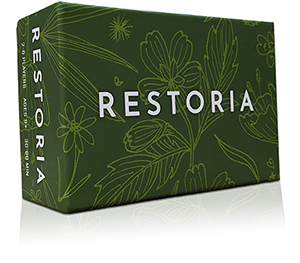
Restoria is a tabletop game in which you take on the role of an ecologist working to restore grasslands. Your challenge is to build a species diverse plant community that is resilient to wildfires, drought, and other events. The game’s mechanics incorporate the four high-level processes of community ecology: selection, drift, speciation, and dispersal, making Restoria not only a strategic challenge, but an educational experience, too.
Meadow
Meadow is a board game in which players take the role of wanderers watching nature. Equipped with a map, they stroll through the picturesque surroundings, looking for inspiration and capturing breathtaking views. Players are driven by passion and curiosity, but also by competition for the title of the keenest nature observer! It will be awarded to whoever scores the most points from the observed species of animals and plants, landscapes and souvenirs collected from the hike. Competition continues by the fire, where players compete in achieving the goals of their expeditions.

Gardening for Wildlife
Grants
Project Learning Garden
Captain Planet Foundation
Project Hero is free project-based learning platform that offers small grants to classroom projects protecting pollinators, soil, and more!

KidsGardening Grant Opportunities
KidsGardening
KidsGardening offers a variety of grants to new and existing youth garden programs across the nation. Each funding opportunity has its own timeline, defining features, eligibility requirements, and reporting expectations. We encourage you to explore our grant programs below to see which one might be the best fit for your particular situation. If something catches your eye, you can find more details on each grant’s homepage.
Pollinator Partnership Grant Opportunities
Pollinator Partnership
The Pollinator Partnership offers a directory of grants for pollinator gardens. The directory is updated each year and includes key grant information, including deadlines.

Trees for Wildlife
National Wildlife Federation (NWF)
Trees for Wildlife supports healthy, sustainable, wildlife-friendly communities by providing free or subsidized native tree seedlings to partners across the country who plant them through local habitat restoration projects or distribute them at community tree giveaway events. Over the last decade, NWF and its partners have brought communities together to plant and care for more than 560,000 native trees which provide community benefits, connect people with nature, and create wildlife habitat.
Roots & Shoots Project Grant
Jane Goodall Institute
Young people, educators, individuals, and group leaders based in the U.S. are invited to apply for a $250 or $500 Roots & Shoots Project Grant to plan, start, support, or celebrate a community-action project that helps people, animals or the environment we all share!