
Ready to get inspired? Check out Lawnless Front Yards for biodiverse examples from different regions around the US.
Let’s be honest—the US has a bit of a lawn obsession. All those perfectly trimmed green carpets? They might look nice, but they’re sucking up more than just our weekends. The US devotes roughly 40 million acres to lawn—yes, million—making grass our largest irrigated crop by area, even beating out corn (Diep, 2011). And yet, we can’t eat it, it doesn’t provide habitat for wildlife, and maintaining it is often a resource-guzzling operation.
Why Should I Shrink my Lawn?
Improve Your Health
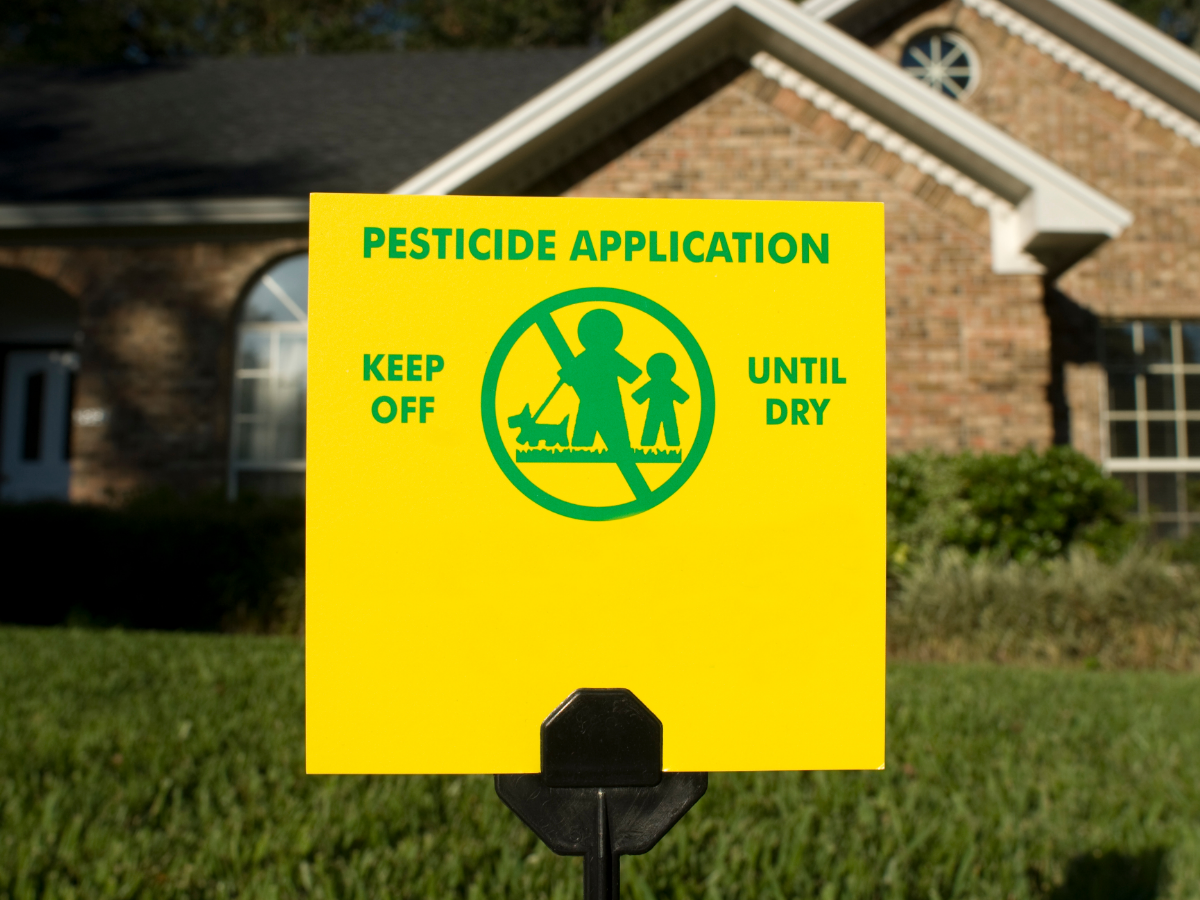
Shrinking your lawn might not sound like a health strategy, but it can actually reduce your exposure to chemicals linked to cancer. In the US, many common lawn care products—especially herbicides and pesticides—contain ingredients that have been associated with serious health risks. One of the most well-known is glyphosate, the active ingredient in Roundup, which the World Health Organization’s International Agency for Research on Cancer classified as “probably carcinogenic to humans” in 2015. Studies have also found higher risks of multiple cancers and neurotoxicities among people with frequent exposure to lawn chemicals (Zahm & Ward, 1998; Alavanja et al., 2004). Children and pets, who are closer to the ground and more likely to have direct contact with grass, may be especially vulnerable. By reducing lawn space—and therefore the need for chemical treatments—you’re creating a safer, more natural environment where your family can play without worry. A little less turf, a lot more peace of mind.
Save Time and Money
Shrinking that oversized American lawn might just be the best lazy-yet-brilliant decision you’ll make. Think about it: less grass means less mowing, watering, fertilizing, and all that weekend yard work you secretly dread (you know it’s true). Not only will you save hours of precious free time—hello, Saturday hammock naps—but your wallet will thank you too. Fewer gallons of water, less fuel for the mower, and no more dropping cash on those mystery bags of lawn chemicals. Plus, replacing grass with native plants or low-maintenance landscaping isn’t just trendy—it’s smarter. Your future self, sipping lemonade with zero lawn guilt, will be grateful.

Shrink Your Water Bill
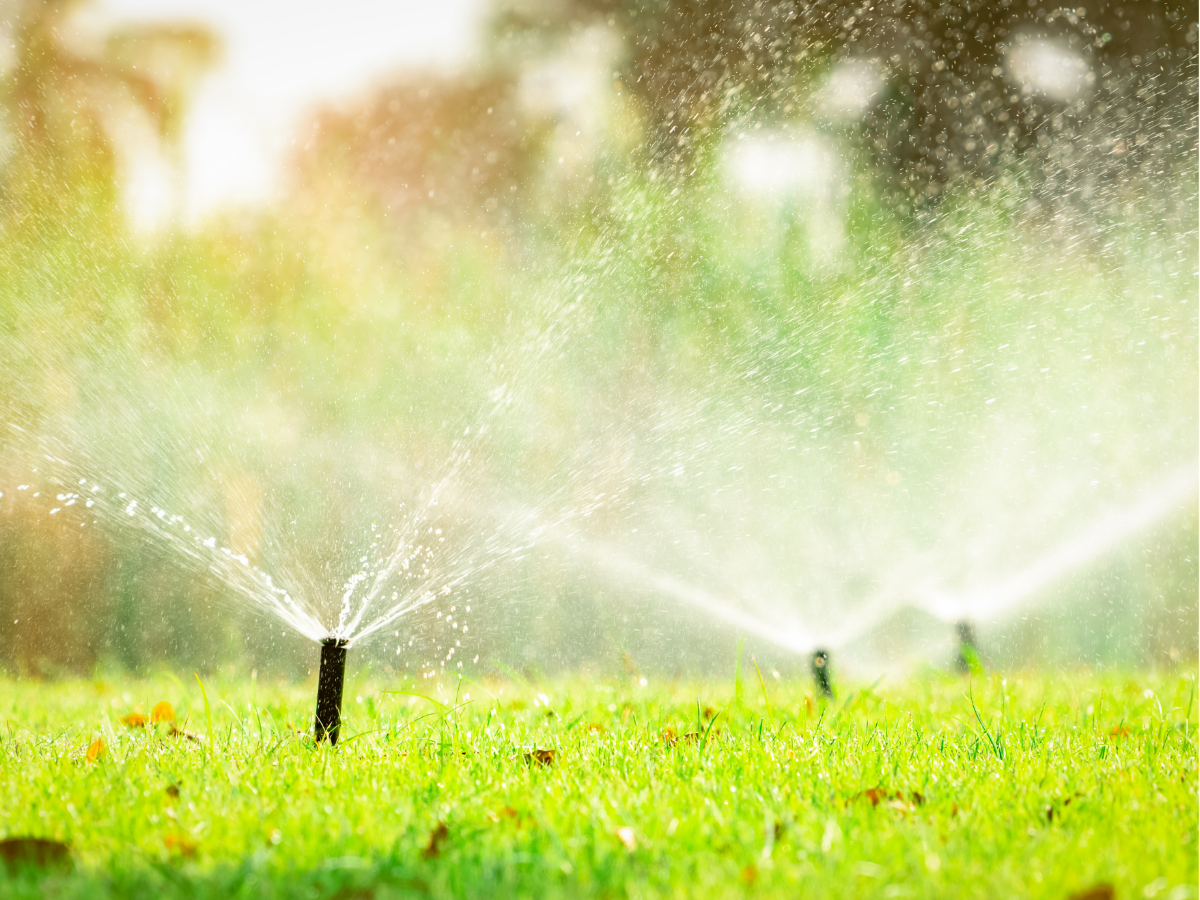
Water use is one of the biggest concerns. According to the EPA, outdoor water use accounts for about 30% of household water consumption, and that number skyrockets in dry regions. A huge chunk of that goes to lawns, which typically require 1 to 1.5 inches of water per week to stay green. That’s a lot of H2O for aesthetics. And if you’re in the Southwest or parts of California, your lawn might be thirstier than your entire household.
Breathe Easier
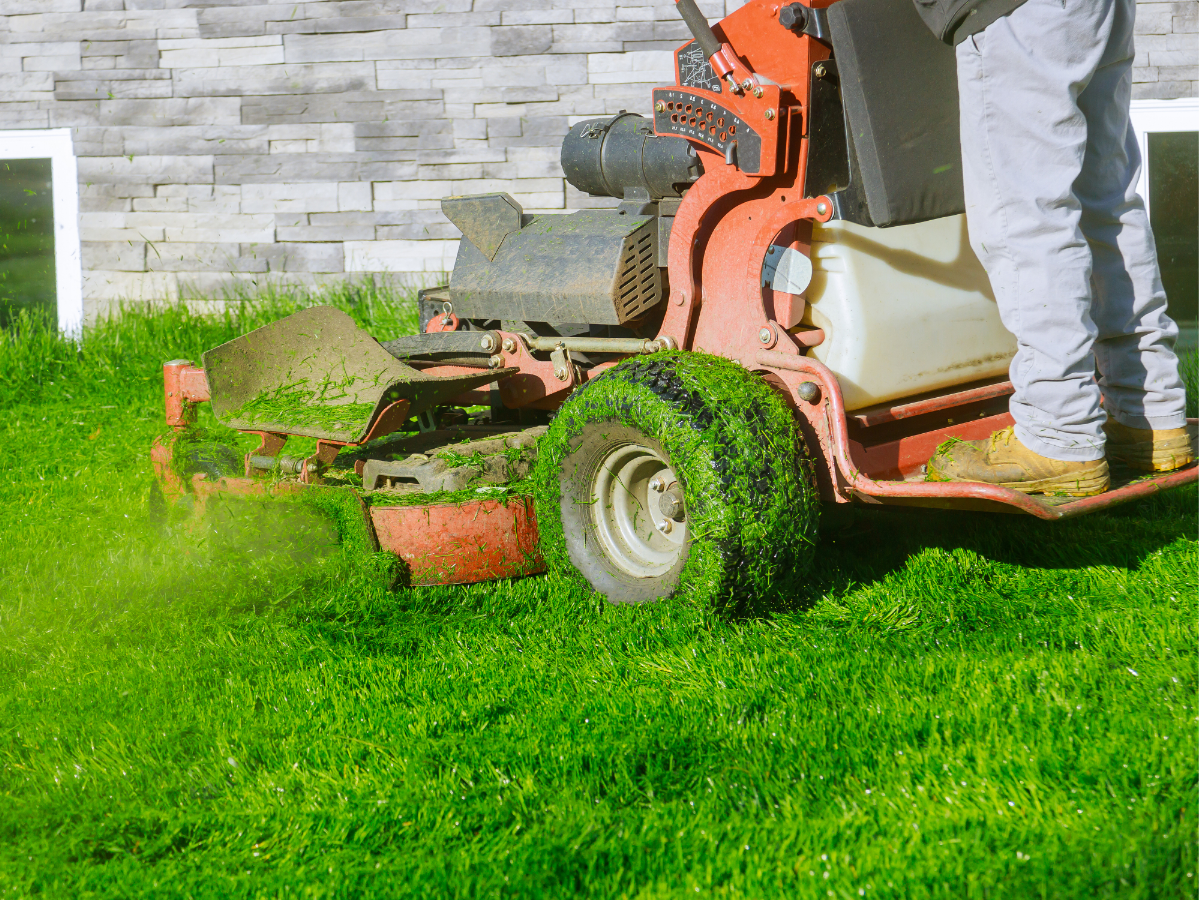
Believe it or not, your lawn mower might be dirtier than your car—at least when it comes to air pollution. In the US, gas-powered lawn equipment like mowers, trimmers, and blowers emit an estimated 26.7 million tons of pollutants annually, including smog-forming nitrogen oxides and volatile organic compounds (EPA, 2015). Just one hour of mowing with a gas-powered mower can produce as much air pollution as driving a typical car about 300 miles. That’s a road trip’s worth of emissions—just for a trim. Shrinking your lawn means fewer hours spent mowing and less reliance on fossil-fueled tools, which translates to cleaner air in your neighborhood and beyond.
Create a Quieter Community
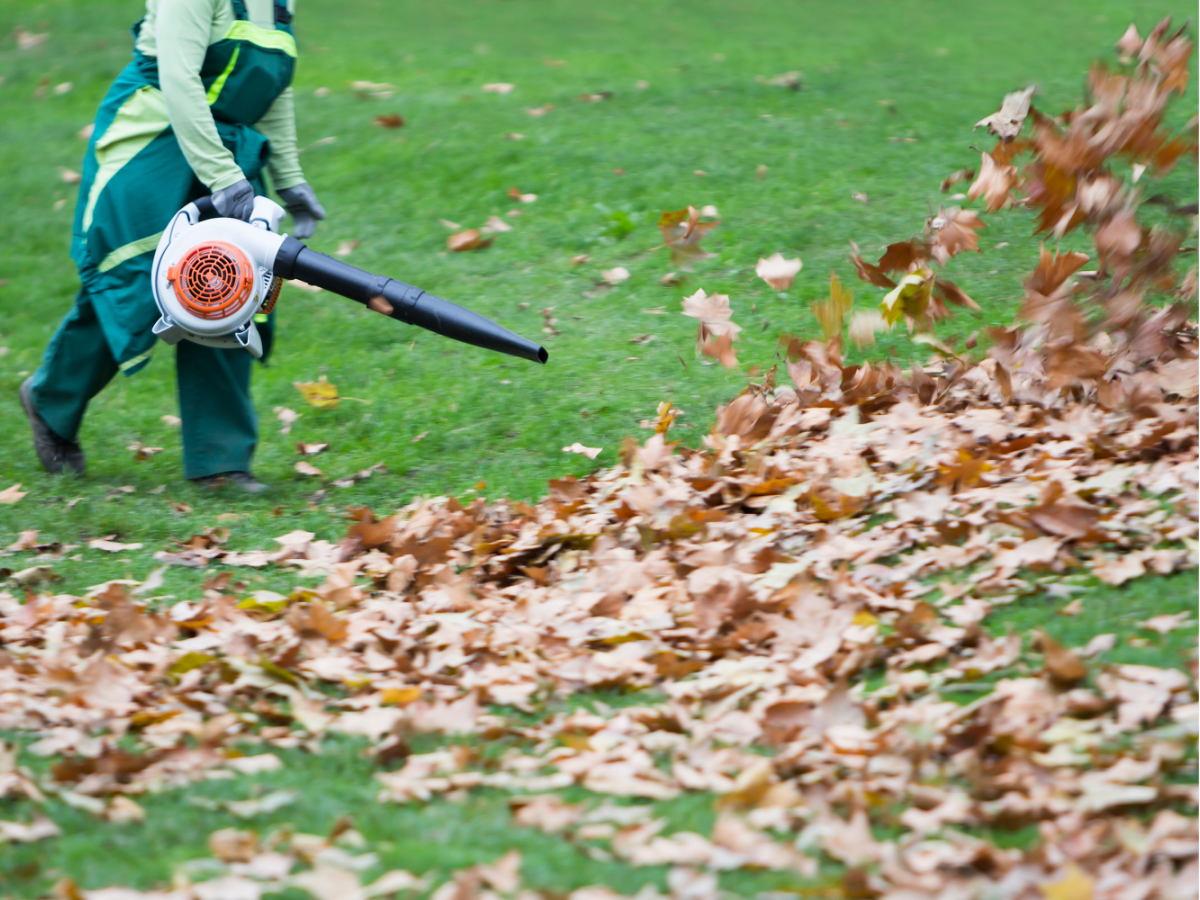
Let’s talk about the roar beneath the weekend—gas-powered lawn equipment. Those mowers, blowers, and trimmers may keep lawns tidy, but they’re also major culprits when it comes to noise pollution. A typical gas leaf blower can hit noise levels of 80–100 decibels, comparable to a motorcycle or a chainsaw. That’s not just annoying—it can cause hearing damage, especially for landscape workers and close-by neighbors. In densely populated areas, the constant hum of yard equipment can affect sleep, stress level, and even wildlife. Shrinking your lawn reduces the need for all that roaring, giving your ears—and your neighborhood—a well-deserved break.
Improve Water Quality
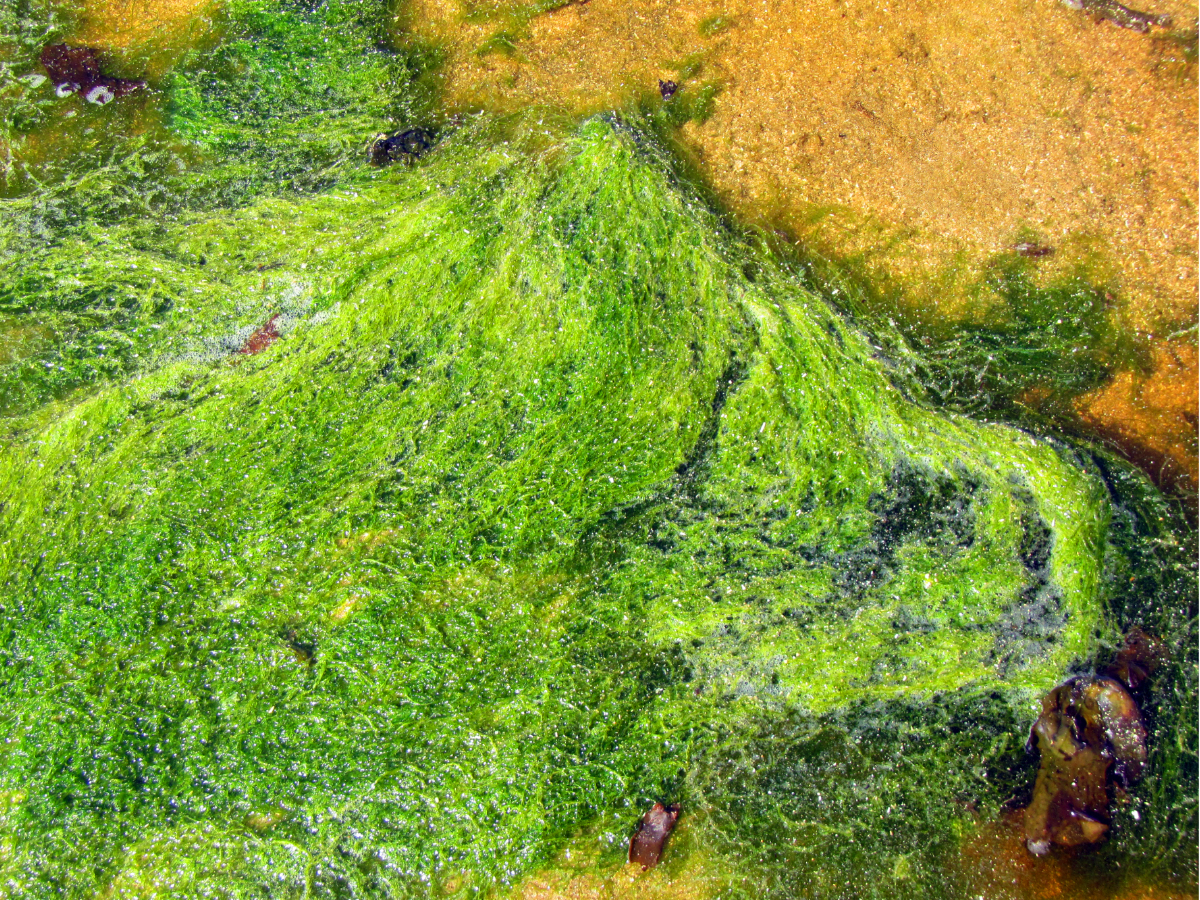
Lawns may look squeaky clean, but they’re actually big contributors to water pollution. All those fertilizers, herbicides, and pesticides used to keep grass green and weed-free don’t just stay put—they often wash off during rain or irrigation and end up in local waterways. This runoff contributes to toxic algal blooms, dead zones (like the big one in the Gulf of Mexico), and harms aquatic life. Plus, lawns do a poor job of absorbing stormwater compared to native plants, which have deep roots that help filter pollutants and slow runoff. By shrinking your lawn and adding more natural landscaping, you’re turning your yard into a sponge instead of a slide—and helping keep local waters cleaner for everyone.
Slow Climate Change
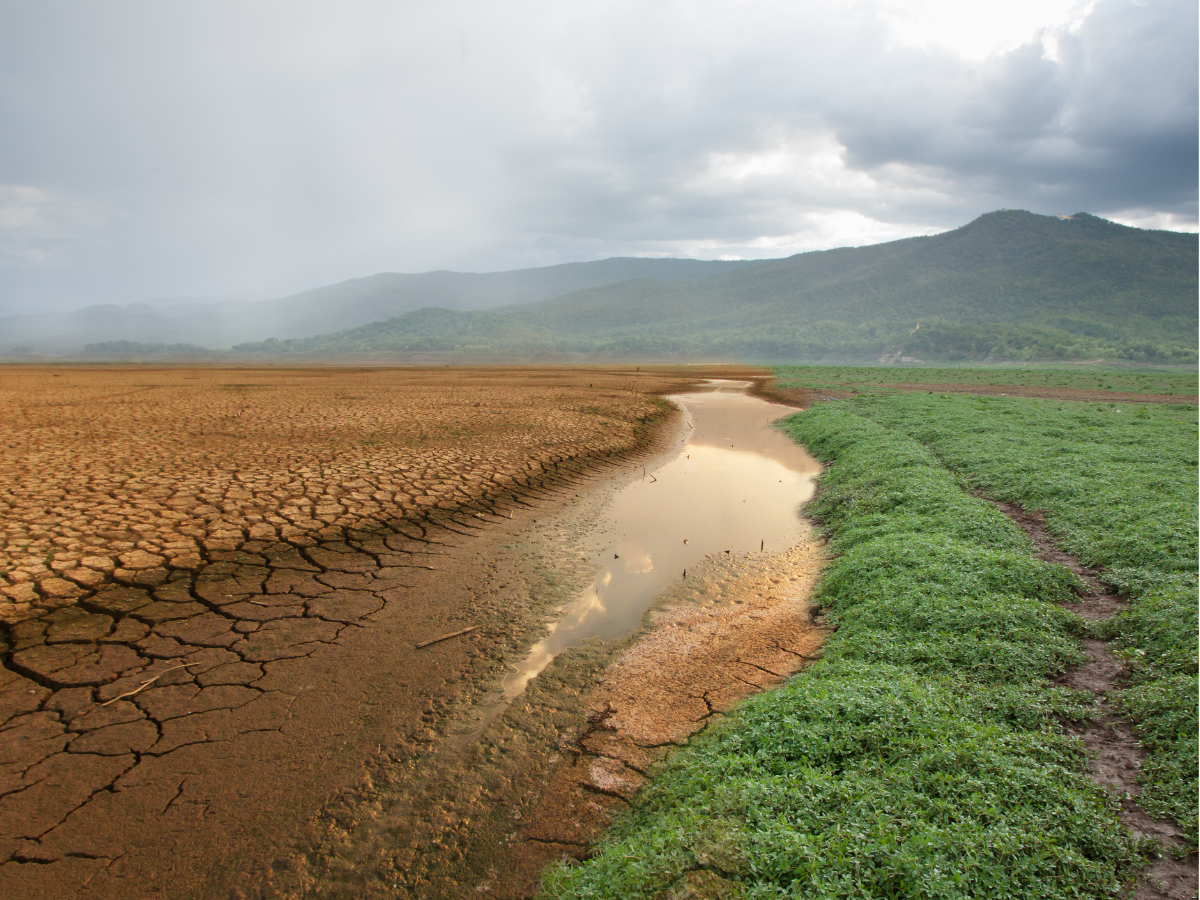
Shrinking your lawn isn’t just a trendy gardening move—it’s a low-key climate action with a big impact. Traditional lawns are surprisingly high-maintenance carbon machines: mowing releases emissions (gas-powered mowers produce as much pollution in an hour as driving 300 miles, according to the EPA), fertilizers and pesticides contribute to greenhouse gases, and irrigation drains local water supplies. Plus, grass does a poor job at storing carbon compared to native plants, trees, and healthy soil ecosystems. By replacing some of your lawn with deep-rooted native plants and trees, you’re helping sequester carbon, reduce runoff, and create a landscape that can better withstand floods, droughts, and heat waves. That’s climate resilience in action!
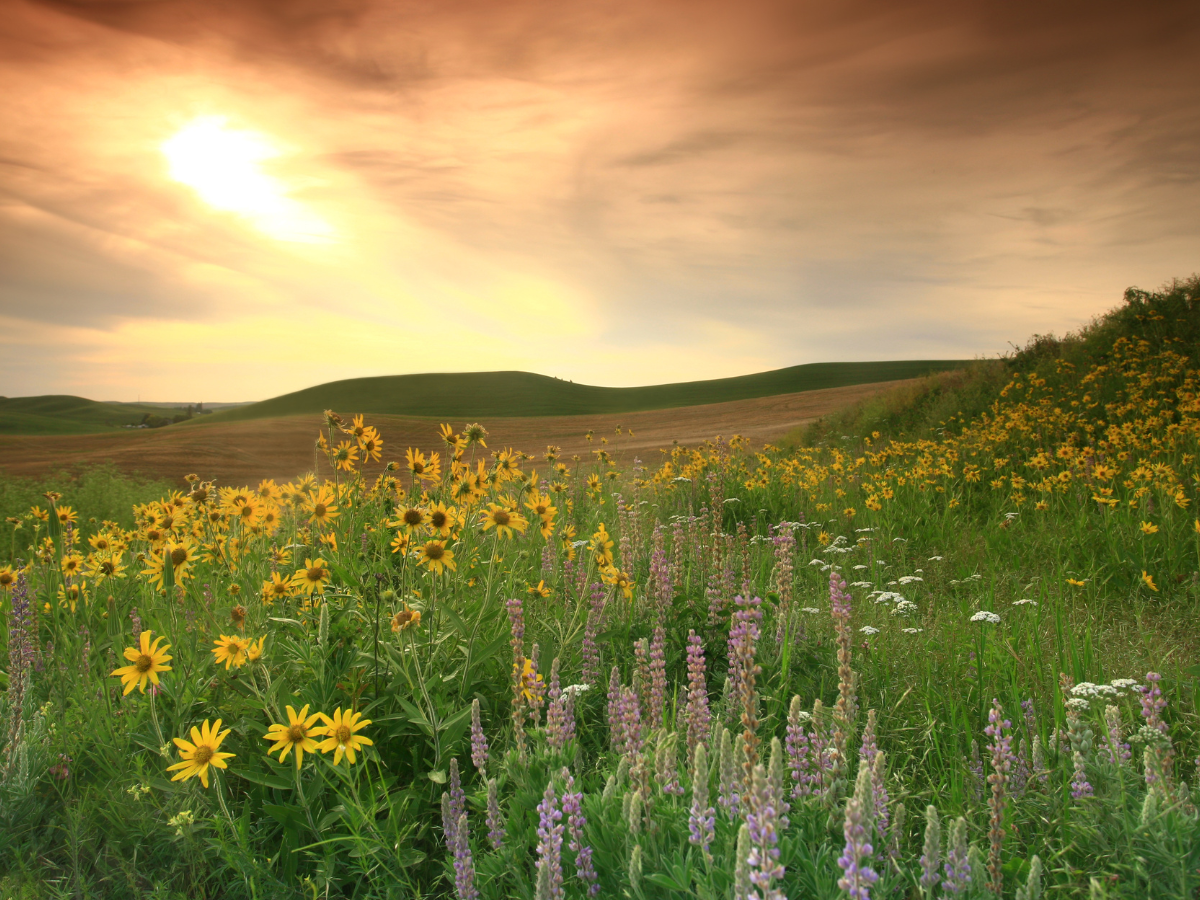
So what’s the alternative? Shrinking your lawn doesn’t mean giving up on a beautiful yard—it just means getting smarter about it. Think native plants, wildflower patches, veggie beds, or even clover. These options don’t just use less water and fertilizer—they actively support bees, birds, and butterflies, and they require way less maintenance. In short: less mowing, more growing. Your weekends—and the planet—will thank you.
Next Steps
Now that you know about the benefits of shrinking your lawn, roll up your sleeves and get to work!
Alternatives to Lawns
Thinking about shrinking your lawn? Your future native plant paradise starts here! Get the basics tailored to your region and explore a treasure trove of resources.

Deepen Your Understanding
Curious about what it really takes to heal a habitat? Dive into our handpicked list of books and articles that make the world of restoration come alive.
Spread the Word
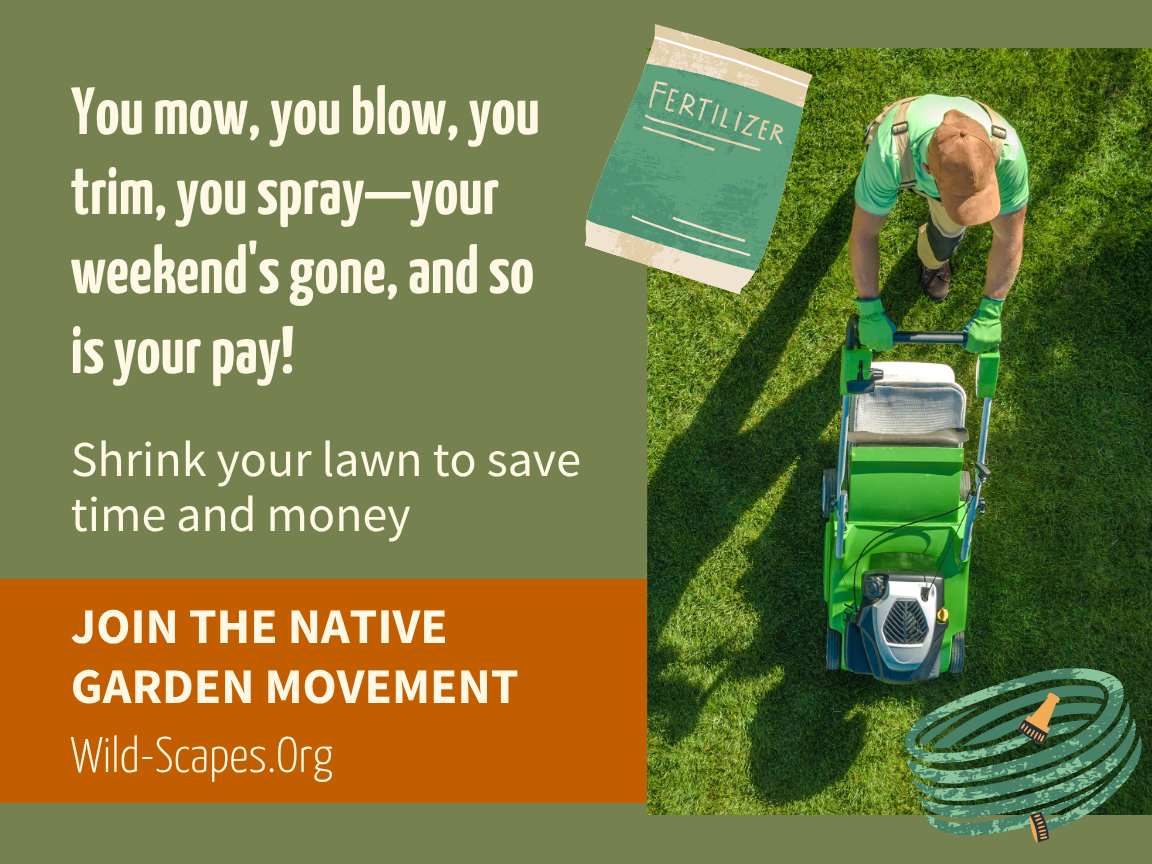
Spread the word—right from your yard! A fun, eye-catching yard sign can help your neighbors learn why shrinking their lawn matters. It’s like planting a seed of curiosity.