
Removing invasive species might not sound like the most glamorous task—no one’s handing out Oscars for yanking out kudzu or pulling garlic mustard—but it’s actually one of the most rewarding things we can do for both our health and the planet’s. These tenacious plants and animals might look harmless, even pretty, but they often wreak havoc on local ecosystems. By taking them out, we give native species a fighting chance to thrive, helping restore balance to habitats that have been under siege.
Why Should I Remove Invasive Species?
Improve Your Health
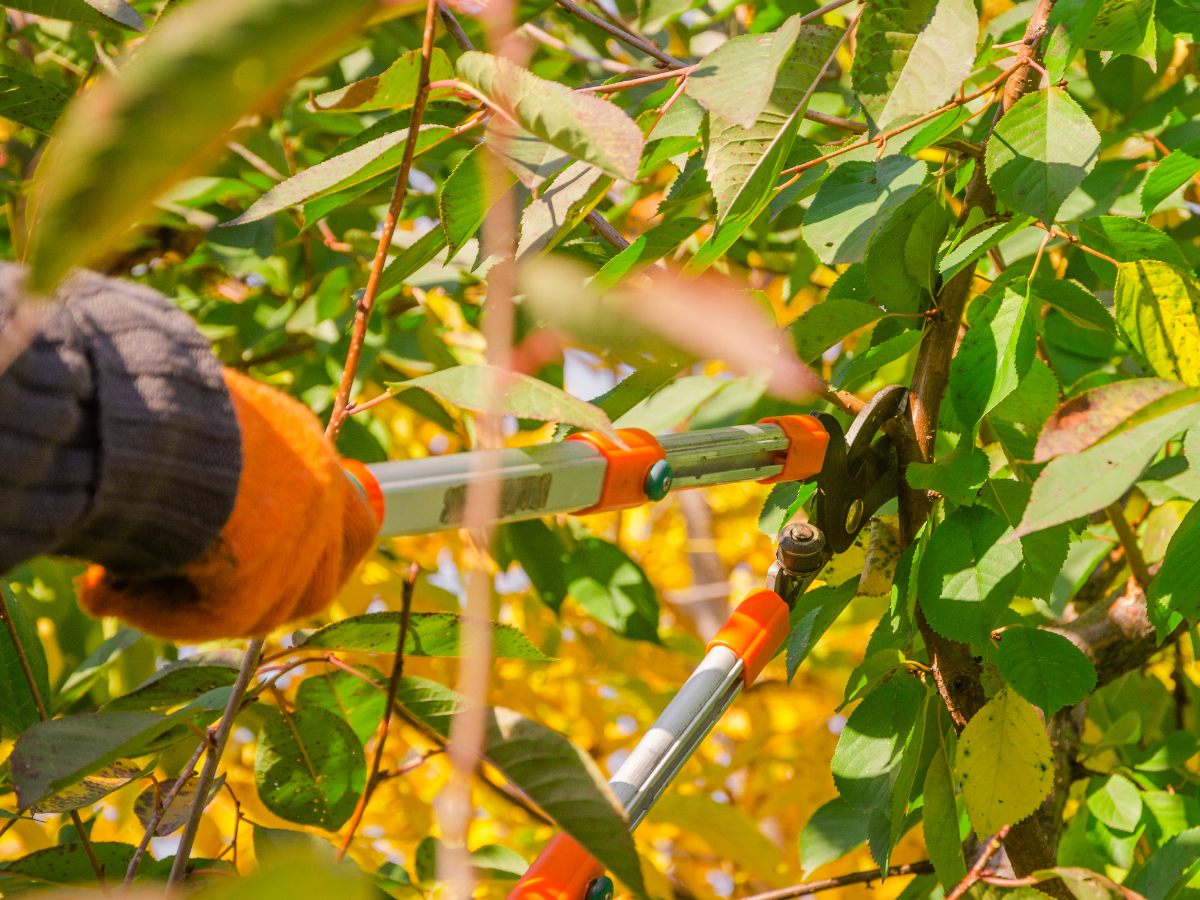
From a human health standpoint, removing invasive species is a win-win. Fewer invasive plants like giant hogweed or poison hemlock means fewer nasty rashes or toxic exposures (yep, some of them bite back). Plus, healthier ecosystems can mean cleaner air and water, which benefits everyone. On top of that, getting outside to tackle invasive species is a sneaky way to boost your own health—it’s basically nature’s gym. You get a full-body workout crawling through the underbrush, hauling vines, or digging up stubborn roots. It’s exercise with purpose. And if you’re doing it with friends or community groups, it’s also a chance to connect—with people and with the land.
Reduce Rodent Populations
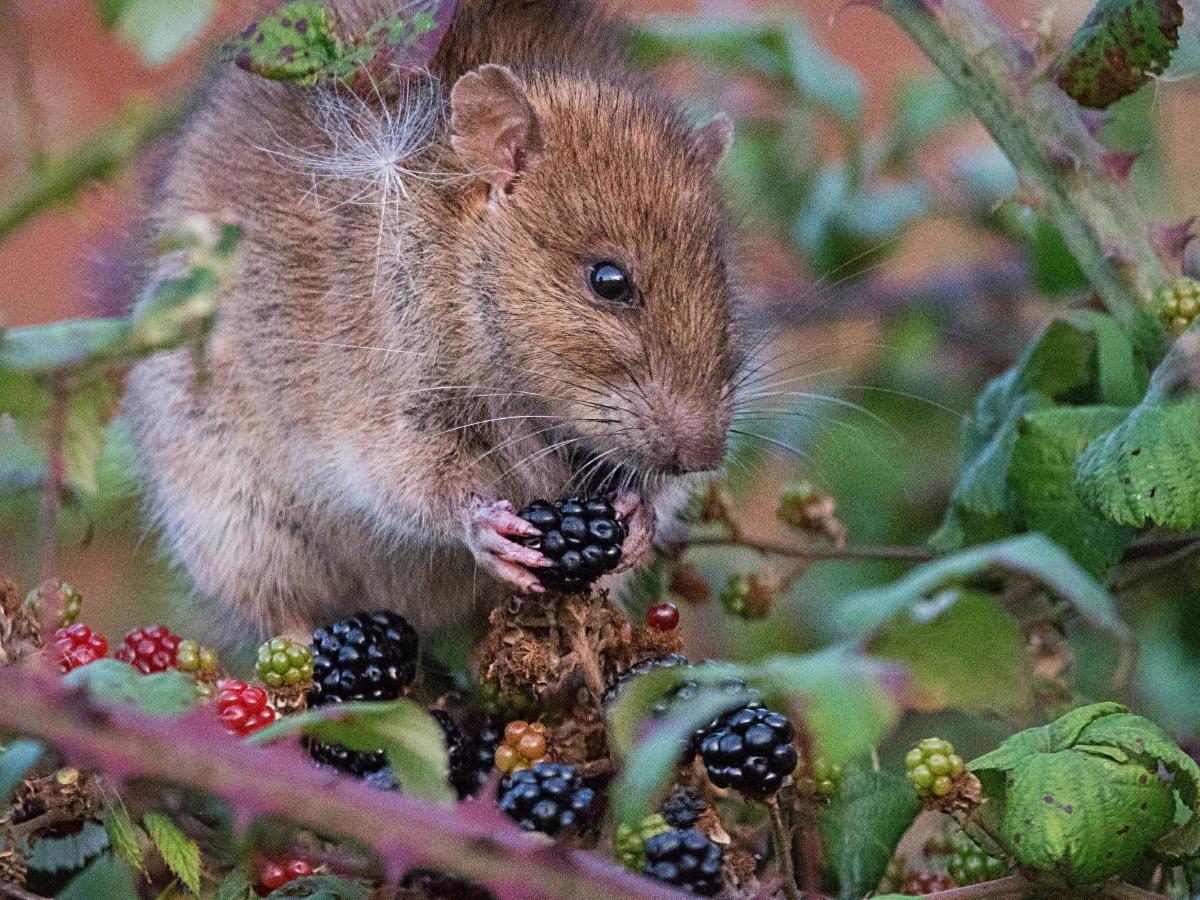
Here’s a fun (and slightly squirmy) fact: pulling invasive plants can actually help keep rodent populations in check. Some invasive species, like dense thickets of Himalayan blackberry or English ivy, create perfect little hideouts for mice, rats, and other scurrying critters. These tangled messes offer food, shelter, and protection from predators—basically a rodent luxury resort. When we clear out these invasives, we take away the cozy cover that helps rodents thrive, which can lead to fewer of them moving into nearby homes, parks, or gardens. It’s like evicting uninvited guests and giving native plants a chance to shine.
Lend Nature a Helping Hand
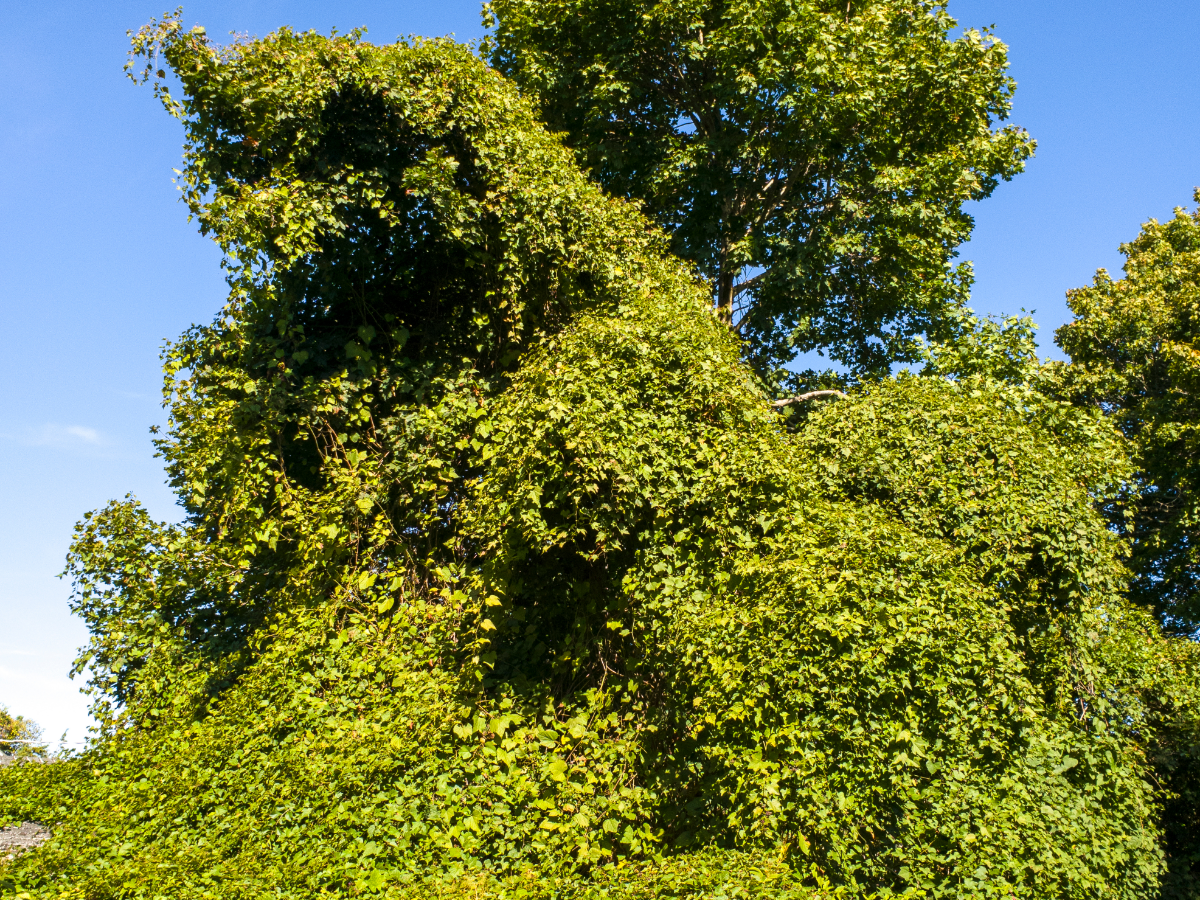
Invasives often outcompete native plants that are better at supporting pollinators, storing carbon, and holding soil in place. When we remove invasive species, we create space for more climate-resilient, biodiverse ecosystems to flourish. Think of it like hitting the ecological reset button. Native prairies, wetlands, and forests are not only more beautiful and functional, they’re also better equipped to handle the shocks of climate change—extreme heat, drought, floods—thanks to their deep roots (literally and figuratively).
Minimize Flooding
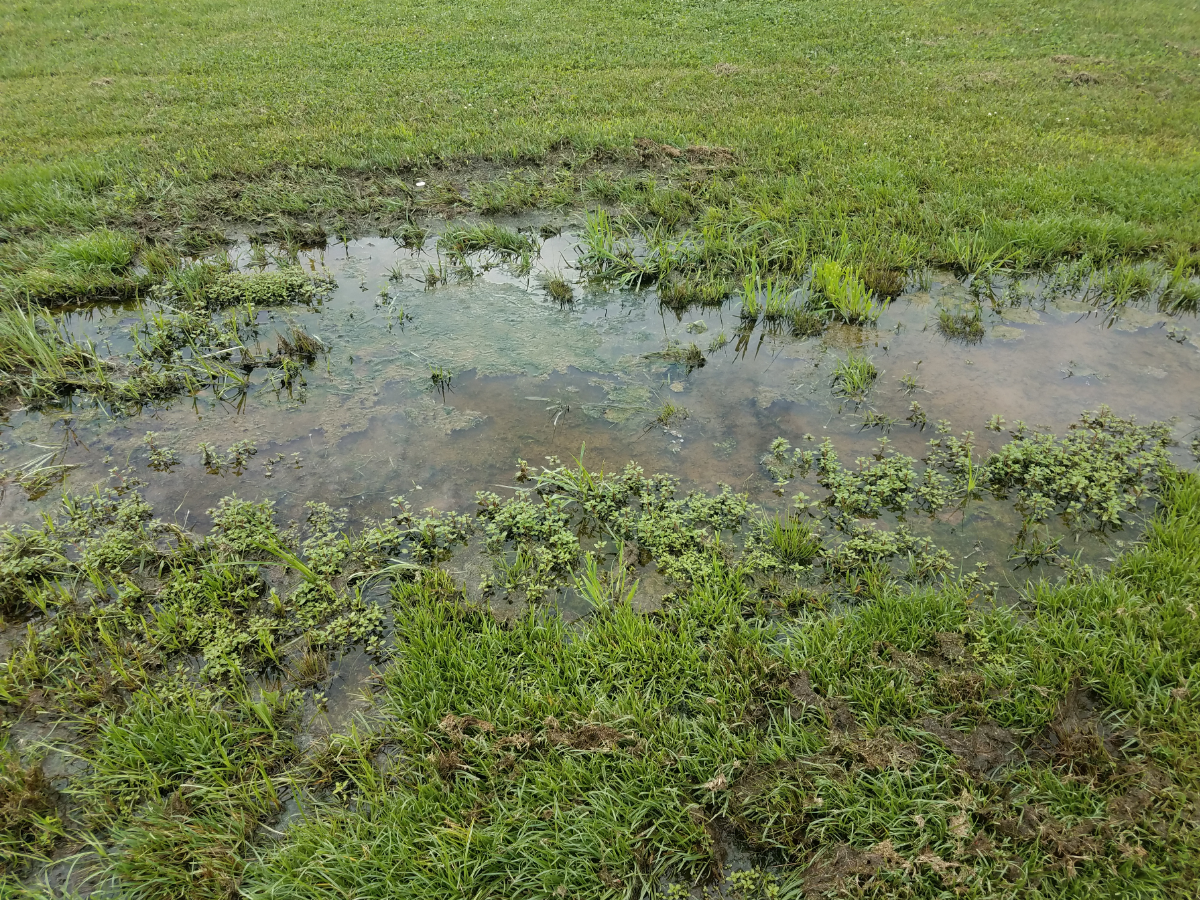
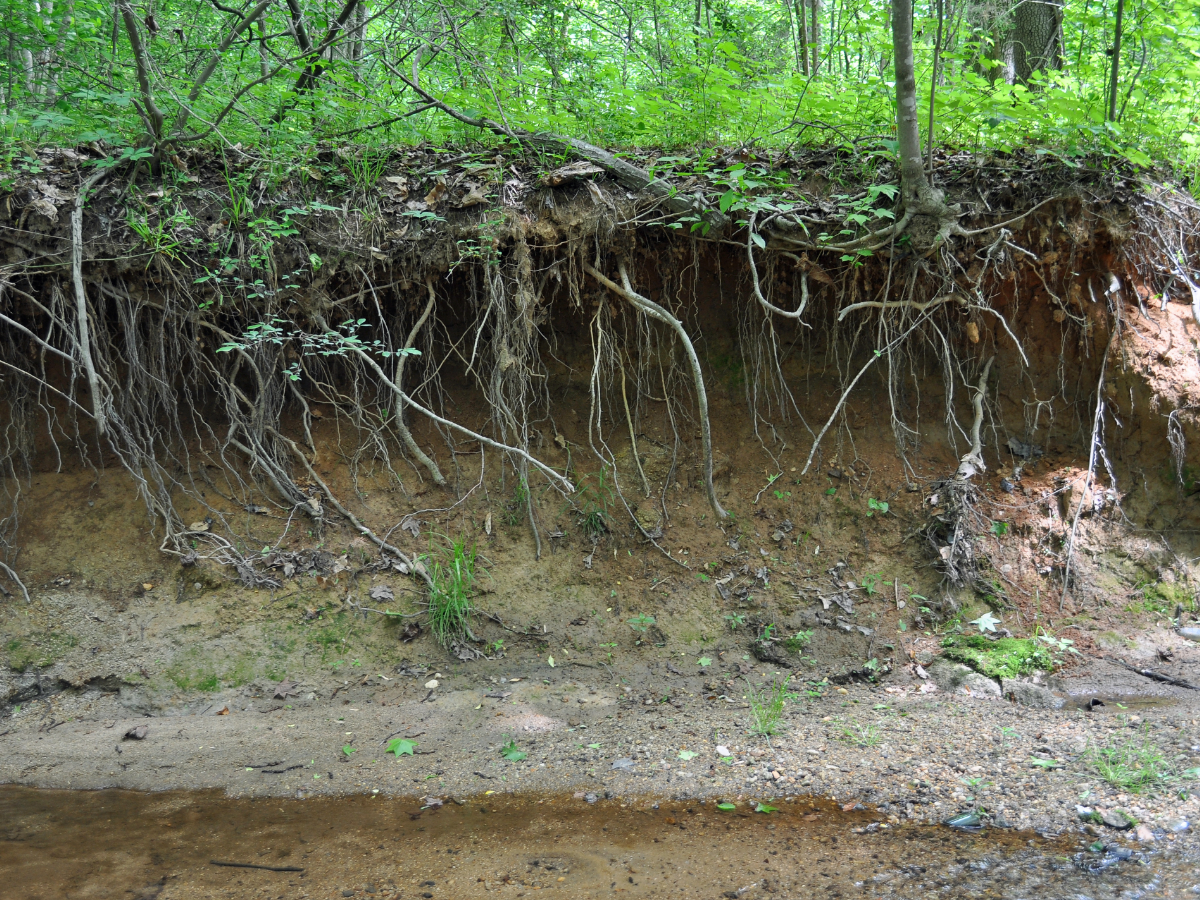
Believe it or not, pulling weeds can help prevent floods—well, the right weeds, anyway. Many invasive plants, like Japanese knotweed or reed canary grass, might grow like wildfire, but they’re terrible at holding soil together or absorbing water. Their shallow roots don’t do much when heavy rains hit, which means more runoff, more erosion, and yep—more flooding. Native plants, on the other hand, are like nature’s sponge: their deep roots soak up water and keep the soil locked in place. So every time you yank out an invasive and make room for native vegetation, you’re not just tidying up the landscape—you’re giving your local watershed a major upgrade. Who knew flood prevention could start with a little dirt under your nails?
Slow Erosion
Removing invasive species isn’t just about protecting pretty wildflowers—it’s also about keeping the ground where it belongs. Many invasives, like spotted knapweed or cheatgrass, have wimpy root systems that do a poor job of anchoring soil. When rain or wind hits, that loose soil takes off like it’s late for a meeting, leading to erosion, muddier waterways, and a lot less stability on hillsides and streambanks. Native plants, though? They’ve got roots that go deep—literally and ecologically—helping to grip the soil and keep it from washing or blowing away. So when you’re out there pulling up invasives, you’re not just gardening—you’re playing defense against land loss.
Next Steps
Now that you know about the benefits of removing invasive species, roll up your sleeves and get to work!
How to Remove Invasives
Ready to fight the plant takeover? Learn the basics of removing invasive species and discover local resources to help you get started. It’s easier than you think!

Deepen Your Understanding
Curious about what it really takes to heal a habitat? Dive into our handpicked list of books and articles that make the world of restoration come alive.
Spread the Word
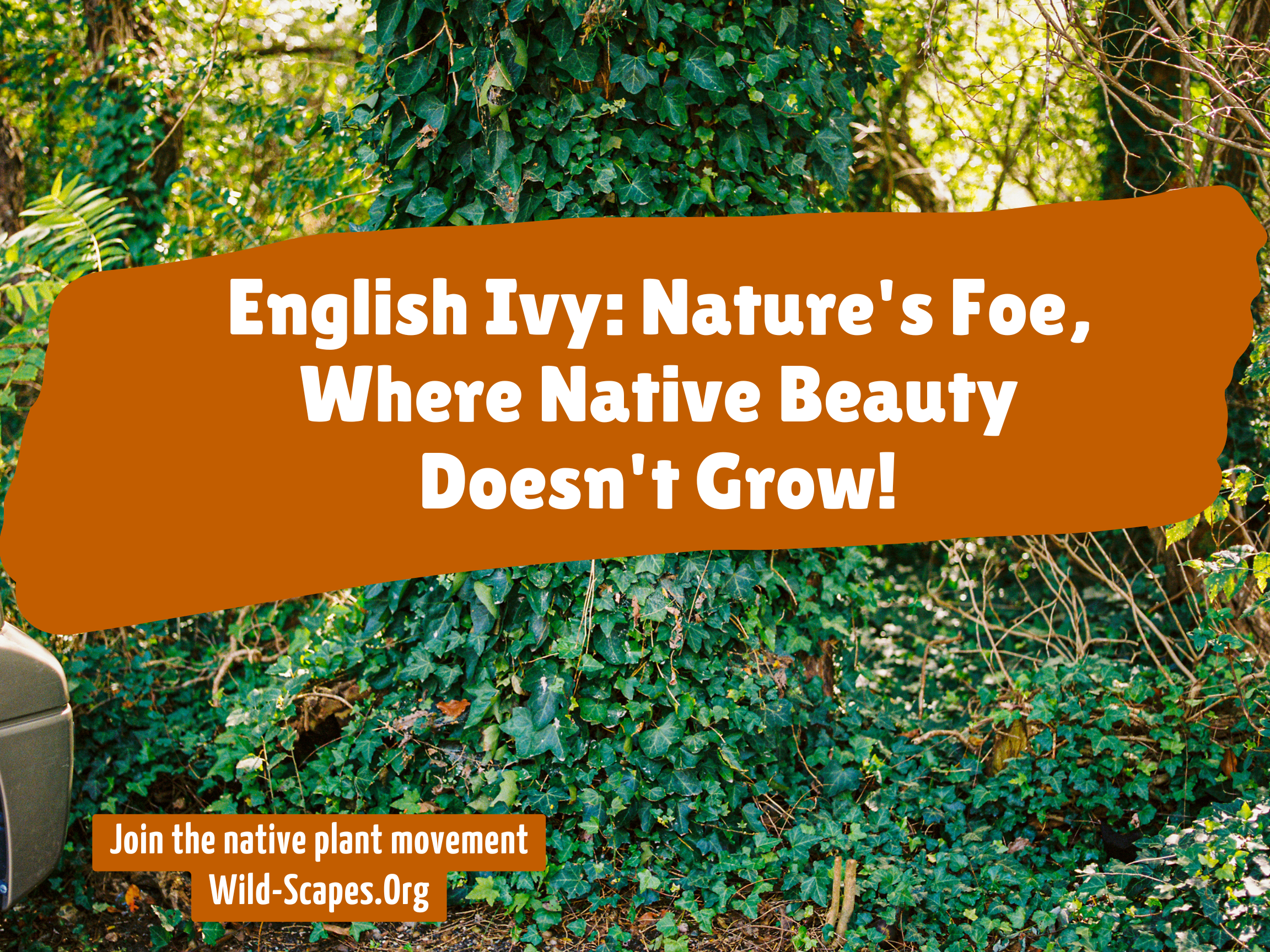
Spread the word—right from your yard! A fun, eye-catching lawn sign can help your neighbors learn why removing invasive species matters. It’s like planting a seed of curiosity.