
Ever look at your lawn and think, There’s got to be more to this than just grass? What if that space could buzz with bees, shimmer with butterflies, and echo with the songs of birds? What if it could offer a safe haven for wildlife squeezed out by roads and new developments? That’s where WildScapes comes in—we’re here to help you rewild your yard, whether it’s a tiny patio or a sprawling backyard.
Gardening for wildlife is all about turning your outdoor space into a thriving, living ecosystem. It’s gardening with purpose—creating habitats that support everything from pollinators and songbirds to small mammals and helpful insects. The result? A space that’s not only beautiful, but alive.
The Basics of Gardening for Wildlife
1. Start With the Gardening Golden Rule: Go Native
Native plants are the backbone of any wildlife-friendly garden. They’ve been growing in your area for thousands of years, right alongside the birds, bees, butterflies, and other local creatures. That means they’re perfectly suited to the local weather, soil, and even pests—no extra fuss required. Plus, they provide the food, shelter, and nesting spots wildlife actually need. So if you’re looking to support pollinators and bring more life to your yard, native plants are a must.
2. Mix It Up—Biodiversity Is Where the Magic Happens
The more variety you have in your garden, the more wildlife you’ll attract. Different plants bring in different bugs, birds, and other critters, creating a mini ecosystem that’s not only buzzing with life but also more resilient and self-sustaining. Try to include plants that bloom in different seasons so there’s always something in bloom—spring, summer, fall—keeping the buffet open year-round for pollinators and other visitors.
3. Add Water—Wildlife Loves It
Whether it’s a birdbath, a mini pond, or even a shallow dish, adding water to your garden is a game-changer. Birds need it to drink and bathe, and all sorts of critters will stop by for a sip or a splash. Just make sure there are shallow edges or a few rocks so everyone—from bees to frogs—can get in and out safely. Bonus: watching birds take a bath is surprisingly entertaining.
4. Create Hiding Places—Wildlife Needs Places to Crash Too
Whether it’s a birdbath, a mini pond, or even a shallow dish, adding water to your garden is a game-changer. Birds need it to drink and bathe, and all sorts of critters will stop by for a sip or a splash. Just make sure there are shallow edges or a few rocks so everyone—from bees to frogs—can get in and out safely. Bonus: watching birds take a bath is surprisingly entertaining.
5. Ditch the Chemicals—Nature’s Got This
Pesticides, herbicides, and synthetic fertilizers might keep your garden looking tidy, but they’re bad news for bees, birds, and all the helpful bugs that actually keep your ecosystem in balance. Instead of reaching for the spray bottle, let nature do its thing. A healthy, diverse garden attracts beneficial insects and predators that naturally keep pests in check. It’s less work for you—and way better for the planet.
6. Think Beyond the Fence—Create a Wildlife Superhighway
Your garden isn’t just a pit stop—it can be part of a bigger journey. By connecting your space with nearby green areas, parks, or other wildlife-friendly yards, you’re helping create “wildlife corridors” that let animals move safely between habitats. These little highways give birds, bugs, and small mammals access to more food, shelter, and nesting spots. So whether you’re planting along a fence line or teaming up with neighbors, every connection counts.
Learn more from the Pollinator Pathway
Gardening for wildlife isn’t just good for the planet—it’s good for the soul. When you turn your outdoor space into a haven for birds, bees, butterflies, and other critters, you’re creating a front-row seat to nature’s everyday magic. Plus, you’re doing your part to support biodiversity, restore balance, and boost the health of your local ecosystem. It’s a simple, rewarding way to make a real impact—one plant, pond, or birdhouse at a time.
Next Steps
Now that you know about the basics of gardening for wildlife, roll up your sleeves and get to work!
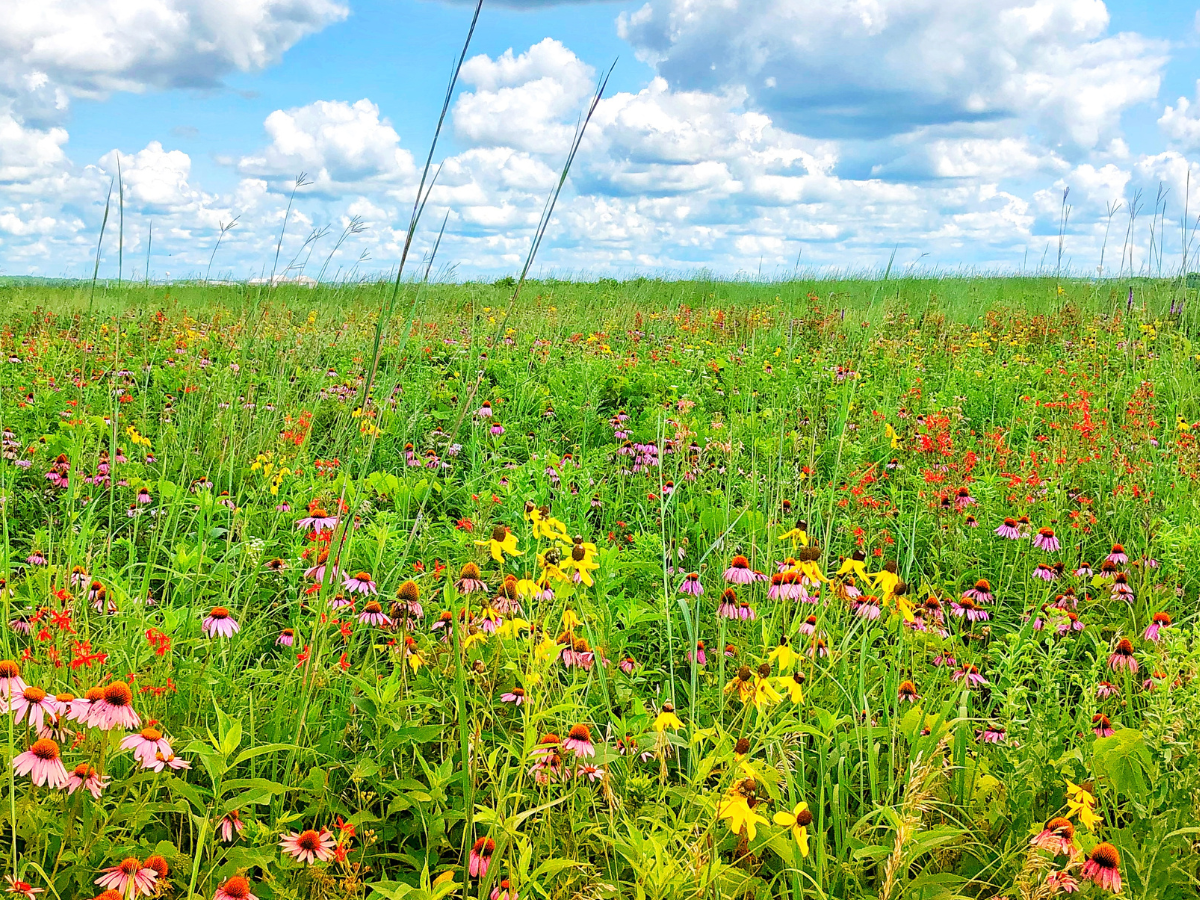
Shrink Your Lawn
Shrinking your lawn is one of the best things you can do for wildlife and yourself. Take back your time and wave goodbye to your mower.

Deepen Your Understanding
Curious about what it really takes to heal a habitat? Dive into our handpicked list of books and articles that make the world of restoration come alive.
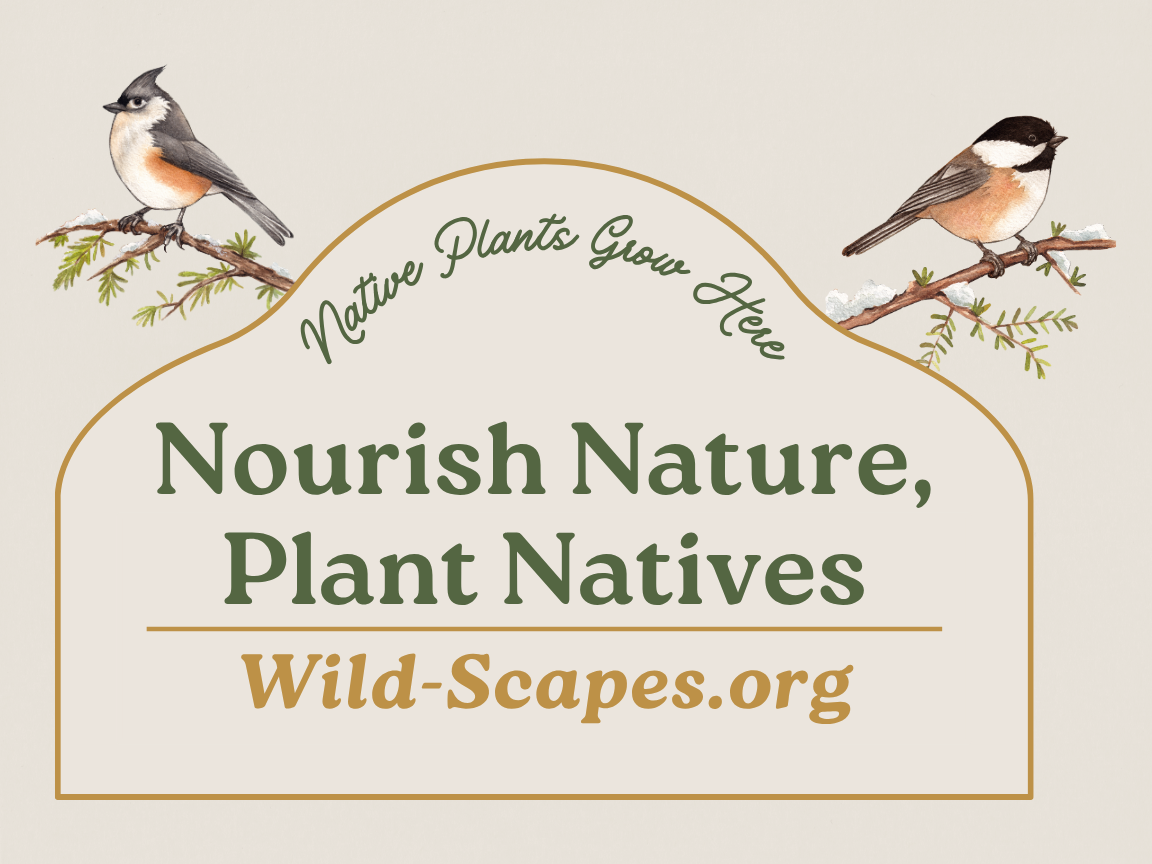
Spread the Word
Spread the word—right from your yard! A fun, eye-catching lawn sign can help your neighbors understand the power of gardening for wildlife.