
New Resource Database Coming Soon
This fall, we’re launching a searchable database with filters for geographically-specific resources. Bookmark this page or join our social channels to learn about the launch.
Ready to dive into the wonderful world of gardening for wildlife? We’ve put together a hand-picked collection of books, blogs, and articles that’ll show you how to transform your backyard into a thriving wildlife haven—without breaking the bank or eating up all your free time.
Gardening for Wildlife
Books
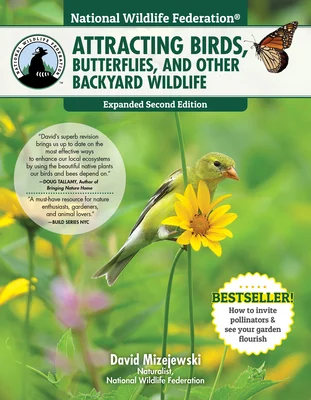
Attracting Birds, Butterflies, and Other Backyard Wildlife
David Mizejewski, National Wildlife FederatioN
Invite beautiful songbirds, colorful butterflies, buzzing bees and other fascinating wildlife by nurturing a wildlife habitat garden. With more than 200 high-quality photographs, lists of the best native plants to support wildlife and 17 gardening projects the whole family can enjoy, from building bird houses to creating garden ponds, Attracting Birds, Butterflies, and Other Backyard Wildlife, Expanded Second Edition is a must-have resource for nature enthusiasts, gardeners, and animal lovers.
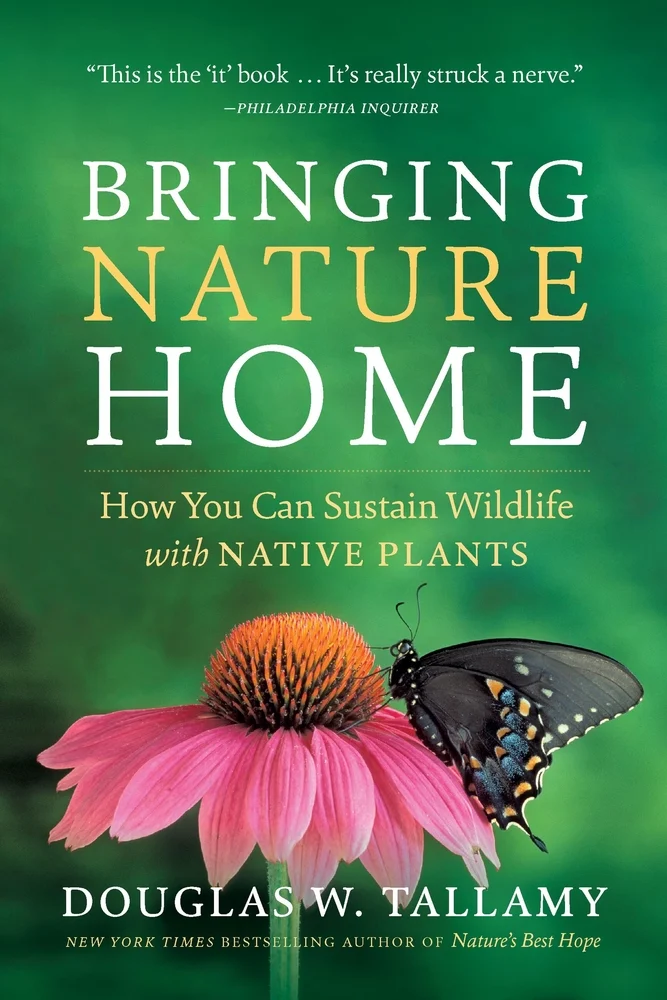
Bringing Nature Home: How You Can Sustain Wildlife with Native Plants
Douglas W. Tallamy, Rick Darke
In his groundbreaking book Bringing Nature Home, Douglas W. Tallamy reveals the unbreakable link between native plant species and native wildlife–native insects cannot, or will not, eat alien plants. When native plants disappear, the insects disappear, impoverishing the food source for birds and other animals. As development and habitat destruction accelerate, there are increasing pressures on wildlife populations.
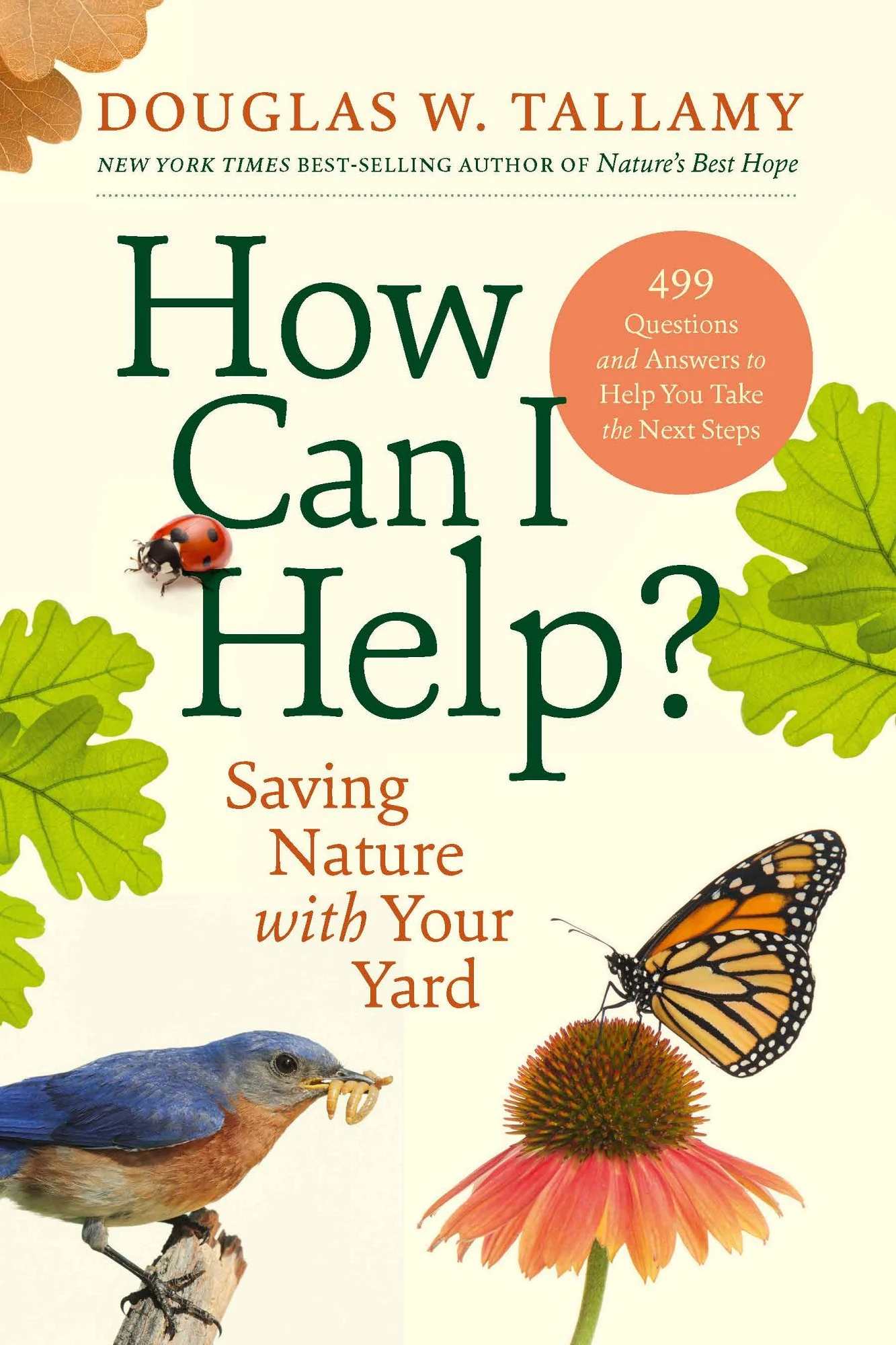
How Can I Help? Saving Nature with Your Yard
Douglas W. Tallamy
In How Can I Help?, Tallamy tackles the questions commonly asked at his popular lectures and shares compelling and actionable answers that will help gardeners and homeowners take the next step in their ecological journey. Topics range from ecology, evolution, biodiversity and conservation to restoration, native plants, invasive species, pest control, and supporting wildlife at home. Tallamy keenly understands that most people want to take part in conservation efforts but often feel powerless to do so as individuals. But one person can make a difference, and How Can I Help? details how.
Habitat Restoration: What It Is, Why It’s Important, and How to Get Started
Rebecca Lexa
Habitat loss is the single biggest cause of species becoming endangered or extinct. Thankfully, we can help our local animals, plants, and other beings by restoring their habitat–even in our own backyards, gardens, and porches! Whether you’re an experienced gardener wanting to grow native plants, or a nature-lover trying to make your corner of the world a little better place, Habitat Restoration will get you started on your own small-scale habitat restoration project
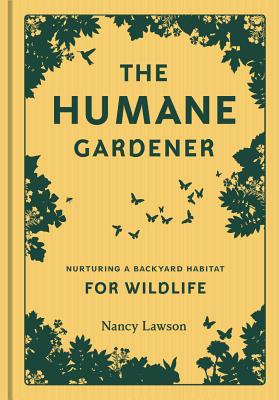
Humane Gardener: Nurturing a Backyard Habitat for Wildlife
Nancy Lawson
An eloquent plea for compassion and respect for all species, The Humane Gardener “does the important work of speaking for the trees–and the bees, butterflies, and other living creatures that need healthy ecosystems” (BookPage). In these beautifully illustrated pages, master naturalist Nancy Lawson uses engaging anecdotes and inspired advice, profiles of home gardeners throughout the United States, and interviews with scientists and horticulturalists to demonstrate how and why to welcome wildlife to our backyards and how we can apply the broader lessons of ecology to our own outdoor spaces.
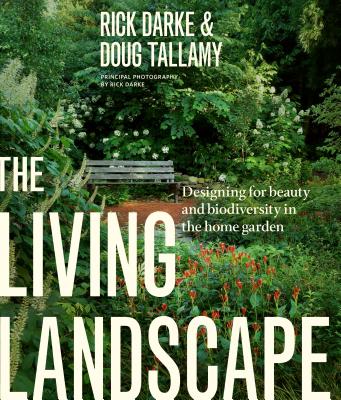
The Living Landscape: Designing for Beauty and Biodiversity in the Home Garden
Rick Darke, Douglas W. Tallamy
Many gardeners today want a home landscape that nourishes and fosters wildlife, but they also want beauty, a space for the kids to play, privacy, and maybe even a vegetable patch. Sure, it’s a tall order, but The Living Landscape shows you how to do it. You’ll learn the strategies for making and maintaining a diverse, layered landscape
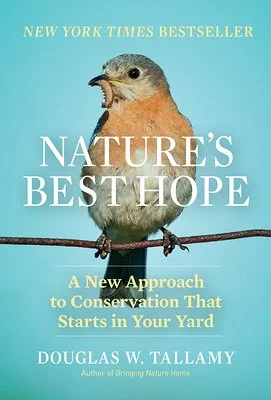
Nature’s Best Hope: A New Approach to Conservation That Starts in Your Yard
Douglas W. Tallamy
Nature’s Best Hope shows how homeowners everywhere can turn their yards into conservation corridors that provide wildlife habitats. Because this approach relies on the initiatives of private individuals, it is immune from the whims of government policy. Even more important, it’s practical, effective, and easy—you will walk away with specific suggestions you can incorporate into your own yard. If you’re concerned about doing something good for the environment, Nature’s Best Hope is the blueprint you need. By acting now, you can help preserve our precious wildlife—and the planet—for future generations.
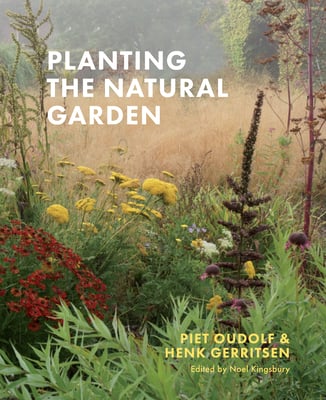
Planting the Natural Garden
Piet Oudolf, Henk Gerritsen
Packed with practical information and visual inspiration, Planting the Natural Garden zeroes in on the New Perennial Movement’s power to move us, making its distinctive plant palette available to all. For enthusiasts of these vibrant landscapes, it is an essential text; for gardeners who love the dreamy moods and colors that Oudolf and Gerritsen celebrate, it’s the key to a magic kingdom of garden beauty.
Gardening for Wildlife
Podcasts
In Defense of Plants
Matt Candeias
From the smallest duckweed to the tallest redwood, the botanical world is full of amazing evolutionary stories. In Defense of Plants is brought to you by ecologist and botany-enthusiast, Matt Candeias. He aims to inspire people to care about plants as organisms.
Plant Identification
Apps
Flora Incognita
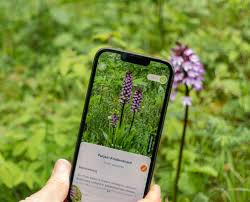
Flora Incognita is a free mobile app for identifying wild plants. It uses artificial intelligence and deep learning algorithms, trained on millions of plant images, to analyze photos of plants and provide species-level identification. The app also offers additional information about the identified plants, including fact sheets and location-based data.
PictureThis
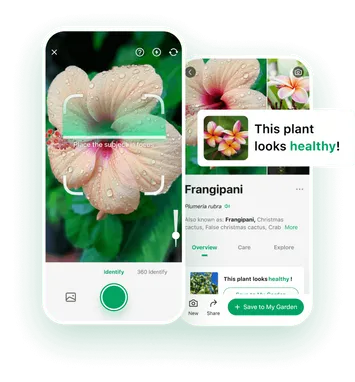
PictureThis offers a powerful plant identifier to identify flowers, leaves, trees, herbs, and more in seconds. It provides detailed information about each plant, including its name, care requirements, and even whether it’s toxic. The app also offers features like a water tracker, light exposure monitoring, and the ability to manage your plant collection.
Pl@ntNet
Pl@ntNet is an application that allows you to identify plants simply by photographing them with your smartphone. Very useful when you don’t have a botanist on hand! Pl@ntNet is also a great citizen science project: all the plants you photograph are collected and analysed by scientists around the world to better understand the evolution of plant biodiversity and to better preserve it.

Invasive Plant
Guides
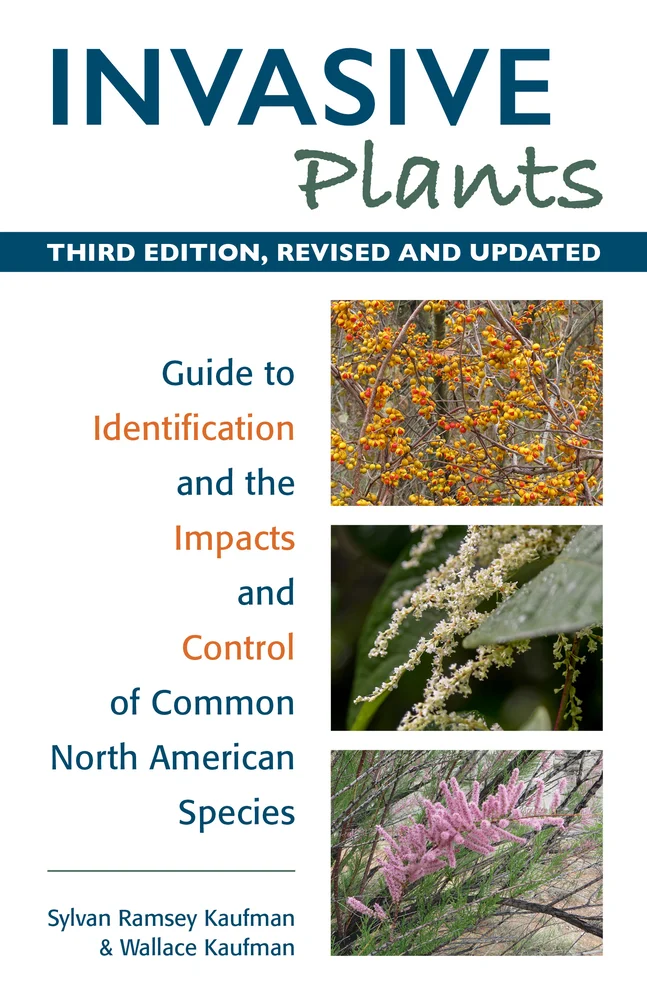
Invasive Plants: Guide to Identification and the Impacts and Control of Common North American Species
Sylvan Ramsey Kaufman, Wallace Kaufman
Invasive Plants is an easy-to-use, wide-ranging guide to invasive plants in North America. Features full-color photos and descriptions of more than 250 alien species—both terrestrial and aquatic—that are in some cases changing the landscape to an almost unimaginable degree. Accompanying text describes the plant’s environmental and economic impacts as well as management techniques used to control it. Also includes an explanation of what an invasive is and a step-by-step identification key. An essential guide to understanding this unprecedented environmental challenge.
Invasive Plant Species of the World: A Reference Guide to Environmental Weeds
Ewald Weber
Since the publication of the first edition of Invasive Plant Species of the World in 2003, the status of many important invasive plants around the world has changed dramatically. Species have extended their ranges, new literature has been accumulated, and control methods have been improved. Research on some plant invaders has also focused on the species’ ecology and impacts, confirming that invasive plants continue to pose serious threats to species and ecosystems.
Invasive Animals & Plants: A Folding Pocket Guide to North America’s Most Aggressive Invasive Species
James Kavanagh
The ecological and economic impacts of the most prevalent invasive species in North America are staggering. Large or small, on land or in water, invasive animals and plants require focused attention across the continent. In order to manage them properly, an all-hands-on-deck approach is needed from both professionals and citizen scientists. It is also essential to have an informed populace with the identification skills and basic management know-how. Invasive Animals & Plants features crisp illustrations of over 90 of North America’s most destructive species of invasive birds, mammals, reptiles, amphibians, insects, and plants. For each species, there are notes on key field marks, method of introduction, and methods of control. Laminated for durability, this lightweight, 12-panel folding pocket guide is an essential resource.
Invasive Weeds of North America: A Folding Pocket Guide to Invasive & Noxious Species
James Kavanagh
Invasive Weeds of North America highlights widespread plants that can cause economic and ecological damage to crops, ranges, forests, and wild lands. Many of these problematic plants are non-natives that now grow in locations beyond their known historic range and are obliterating native species. Invasive Weeds of North America is a pocket-sized reference guide to identifying invasive and noxious flowers, shrubs, vines and trees and lets you know what you can do to help prevent them from spreading. This guide is an excellent source of portable information and ideal for field use by novices and experts alike.
Did we miss any great resources? Let us know.