
Ever look at your lawn and think, There’s got to be more to this than just grass? What if that space could buzz with bees, shimmer with butterflies, and echo with the songs of birds? What if it could offer a safe haven for wildlife squeezed out by roads and new developments? That’s where WildScapes comes in—we’re here to help you rewild your yard, whether it’s a tiny patio or a sprawling backyard.
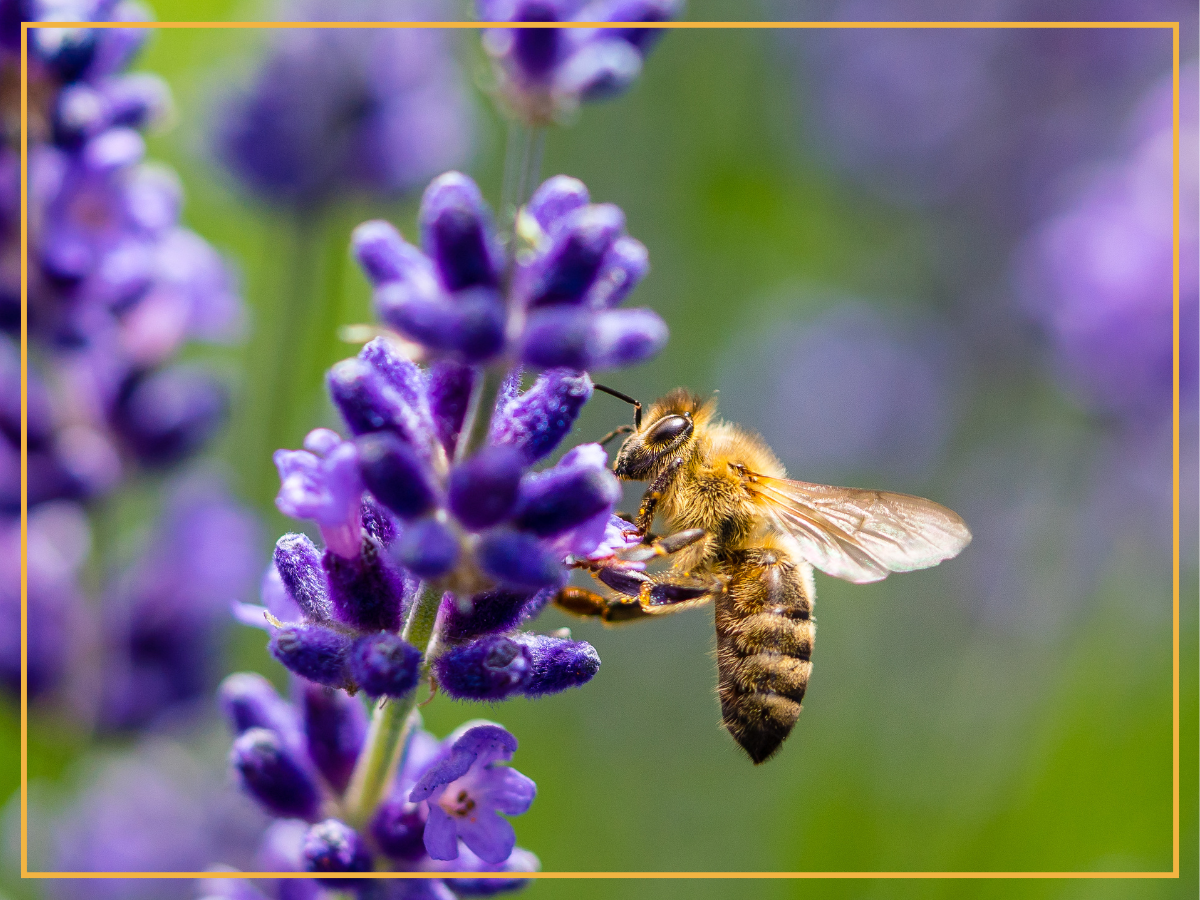
Garden for Wildlife
Gardening for wildlife is all about turning your outdoor space into a thriving, living ecosystem. It’s gardening with purpose—creating habitats that support everything from pollinators and songbirds to small mammals and helpful insects. The result? A space that’s not only beautiful, but alive.
Shrink Your Lawn
Do you really love giving up your weekend hours to mow the lawn? Or spending extra money just to keep all that grass green? And let’s be honest—does anyone actually look forward to thatching and aerating? Beyond the time and expense, lawns aren’t doing our health—or the environment—any favors. The good news? You don’t have to give up your entire yard. Keep a patch of grass for picnics, games, or the dog, but consider shrinking the rest. You’ll save time, save money, and create a space that’s healthier for your family and the planet.
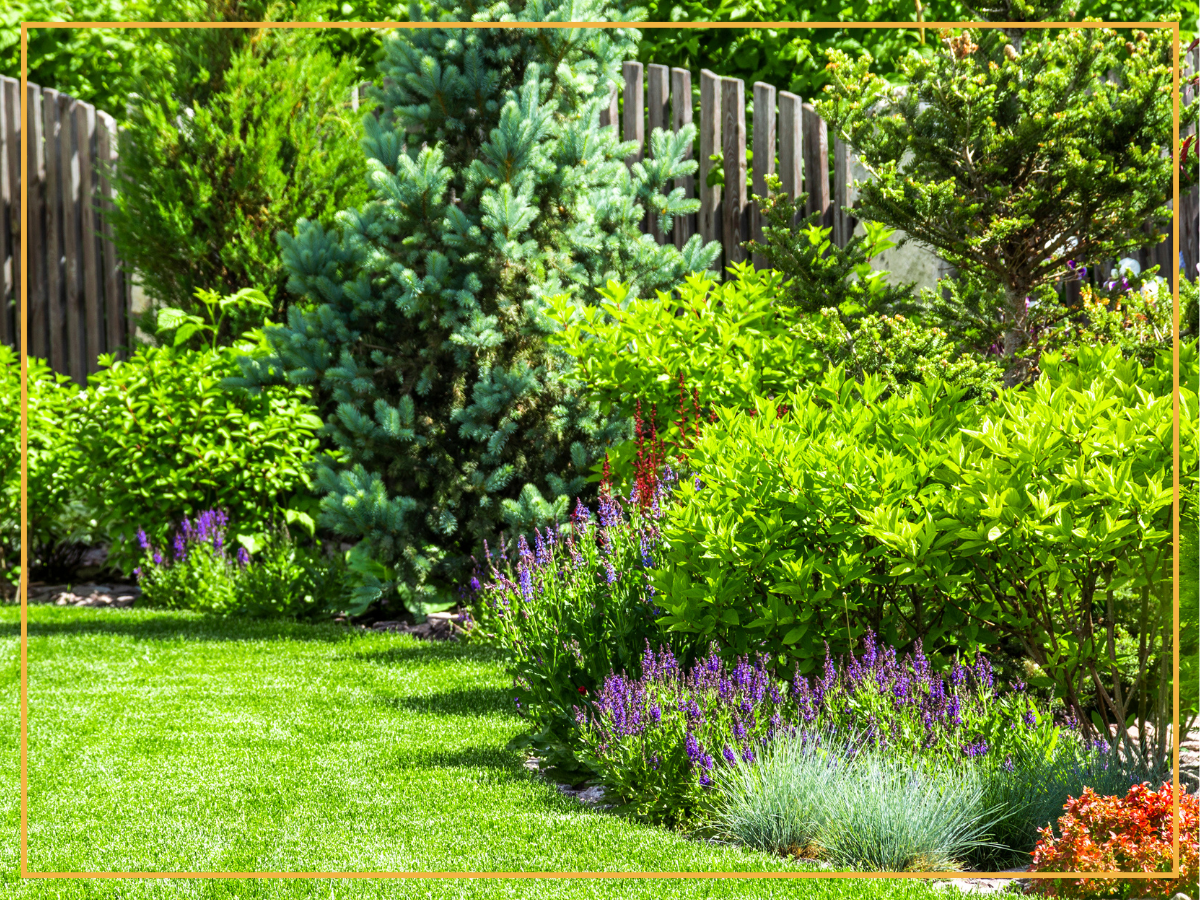

Ditch the Invasives
Some invasive species might catch your eye with their vibrant colors or unique shapes—but don’t be fooled. Beneath the surface, they can cause serious harm. Invasive plants and animals often crowd out native species, disrupt local ecosystems, and even speed up problems like erosion. Tackling invasive species can feel overwhelming, but you’re not alone. Whether you’re pulling weeds in your backyard or working on a larger conservation project, we’ve collected resources to help make the process more manageable.
Why Should I Care?
Still on the fence about gardening for wildlife? That’s okay—we get it. Making changes to your yard or garden can feel like a big shift. But we’re here to show you why it’s one worth making—not just for the birds, bees, and butterflies, but for you and your family too. When you garden with wildlife in mind, you’re creating a space that’s healthier, more vibrant, and more connected to nature. You’ll see more pollinators, hear more birdsong, and spend more time outdoors enjoying a truly living landscape.