Check Back Soon
In fall 2025, we’ll be launching a searchable database of resources by region. Sign up for our newsletter to be notified.
Tired of your yard being a jungle of plants you didn’t invite? You might be hosting some sneaky invaders—plants that look innocent enough but are actually bad news for your local ecosystem. Removing invasive species at home is one of the easiest (and oddly satisfying) ways to give nature a helping hand right in your own backyard. Whether you’re dealing with ivy that’s gone rogue or a patch of yellow archangel that just won’t quit, a little know-how and some elbow grease can make a big difference. Out with the bullies, in with the biodiversity!

Get to Know Your Natives
Want to become fluent in the language of your local landscape? Getting to know native plants is like making friends with the original residents of your region—they’ve been thriving here long before lawns were a thing. Learning to identify them is part scavenger hunt, part botany lesson, and all kinds of fun. With a good field guide or plant ID app, a curious eye, and maybe a walk around a local park or nature preserve, you’ll start spotting familiar faces like wild columbine, milkweed, or that scrappy little aster you’ve seen a hundred times but never properly met.
Some of our favorite resources:
Identify Local Invasive Plants
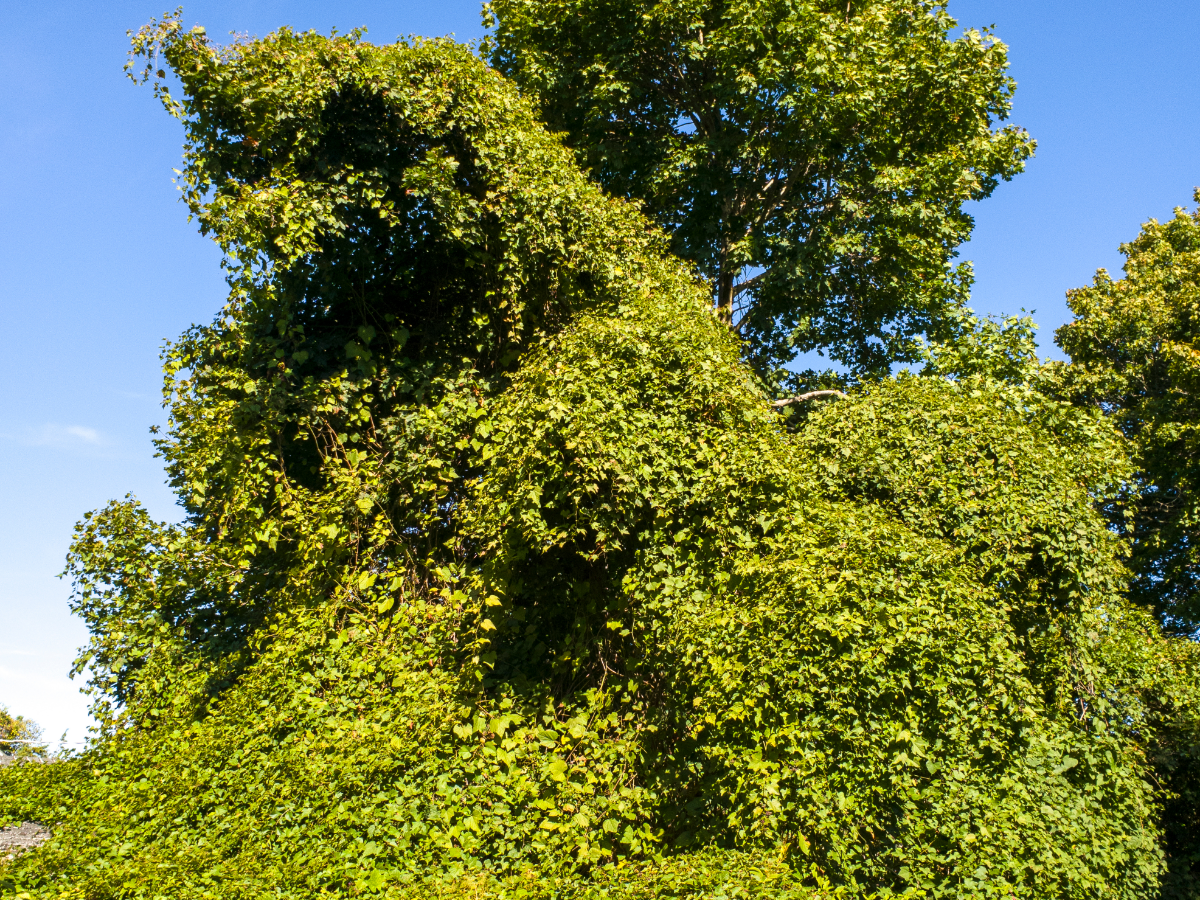
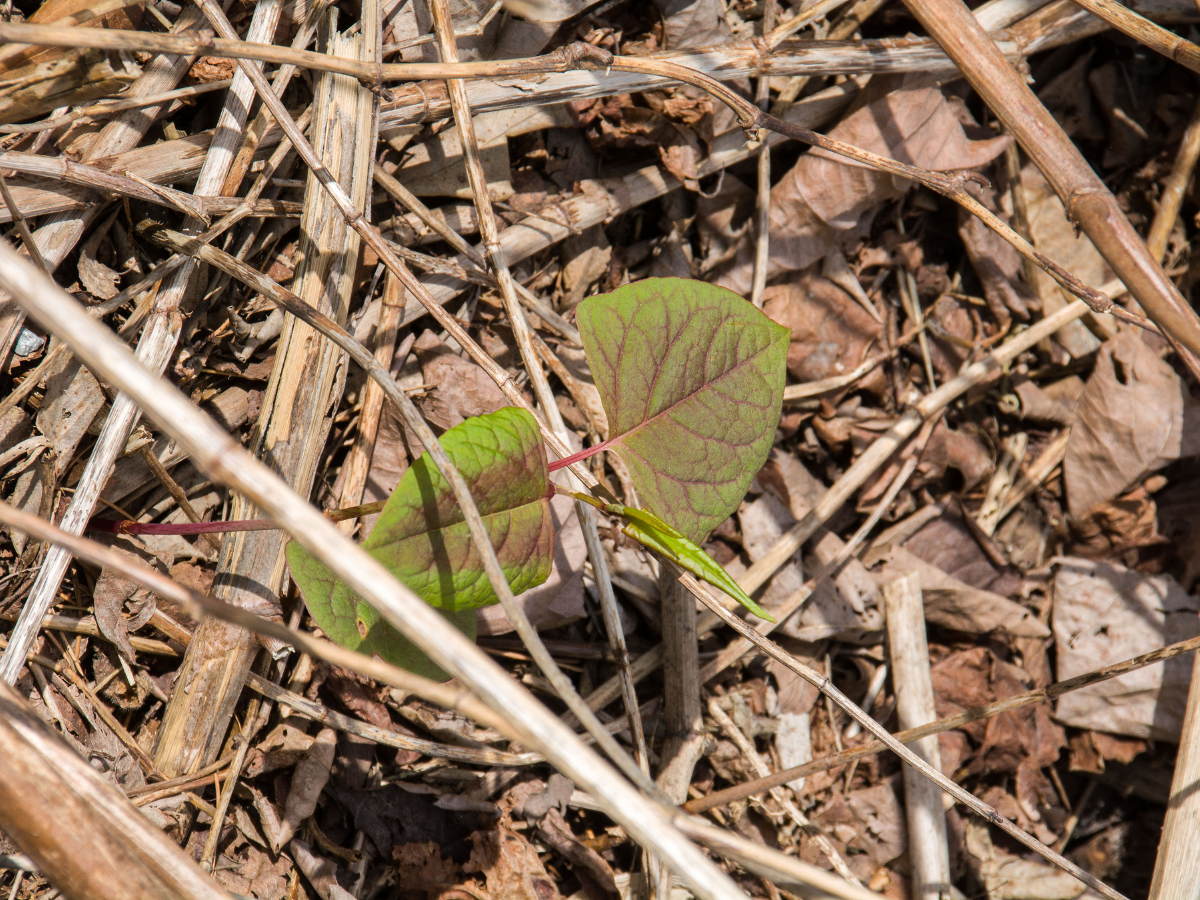
Ready to meet the troublemakers of your local landscape? Getting to know invasive plants is like learning to spot the villains in a garden mystery—they may look harmless and even pretty, but they’re often up to no good. These plants tend to spread aggressively, outcompeting native species and throwing ecosystems out of balance. The first step to managing them is learning how to recognize them. With a field guide, an ID app, or a stroll through a local restoration area, you’ll start spotting repeat offenders like kudzu, garlic mustard, or that vine that seems to be taking over everything. Once you know who’s who, you’ll be ready to show those invaders the exit.
Some of our favorite resources:
Remove Invasive Plants Responsibly
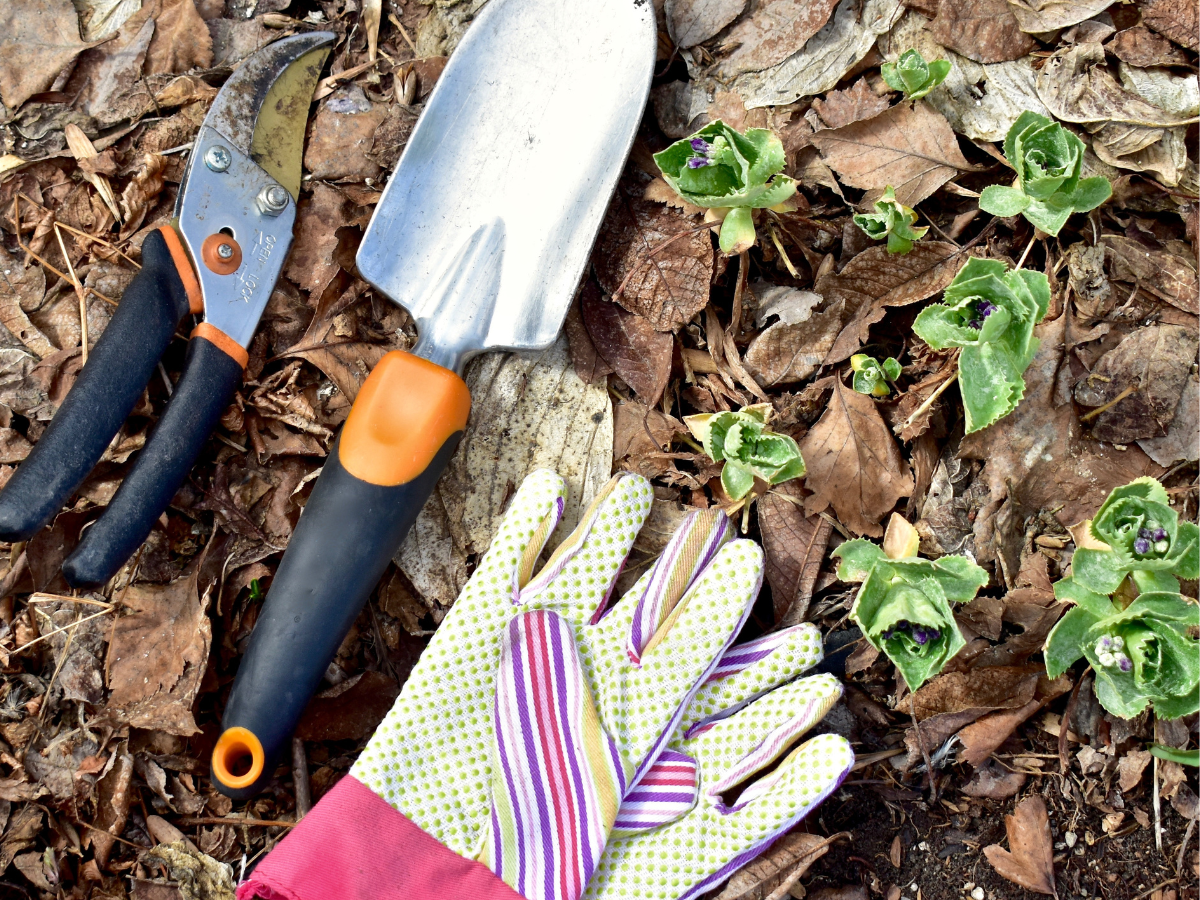
So, you’ve spotted an invasive plant and you’re ready to take action—awesome! But before you go full weed warrior, it’s important to know how to remove these green invaders responsibly. Some plants are trickier than they look and can actually spread more if you yank them the wrong way (sneaky, right?). The key is using the right techniques for the right species—whether that means digging, cutting, smothering, or even carefully bagging seeds so they don’t hitch a ride elsewhere. A little prep goes a long way in making sure your hard work helps, not harms.
Some of our favorite resources:
Dispose of Invasive Plants Safely
You’ve pulled the invaders—nice work! Now comes the part that’s weirdly just as important: getting rid of them the right way. Tossing invasive plants in the compost or yard waste bin might seem harmless, but some of these troublemakers can regrow from the tiniest root or seed. Responsible disposal means making sure they don’t escape and start the whole cycle over again. Depending on the species, that could mean bagging them for the trash, drying them out, or even burning. Think of it as plant quarantine—no second chances for these escape artists!
Some of our favorite resources:
Restore the Area with Native Plants
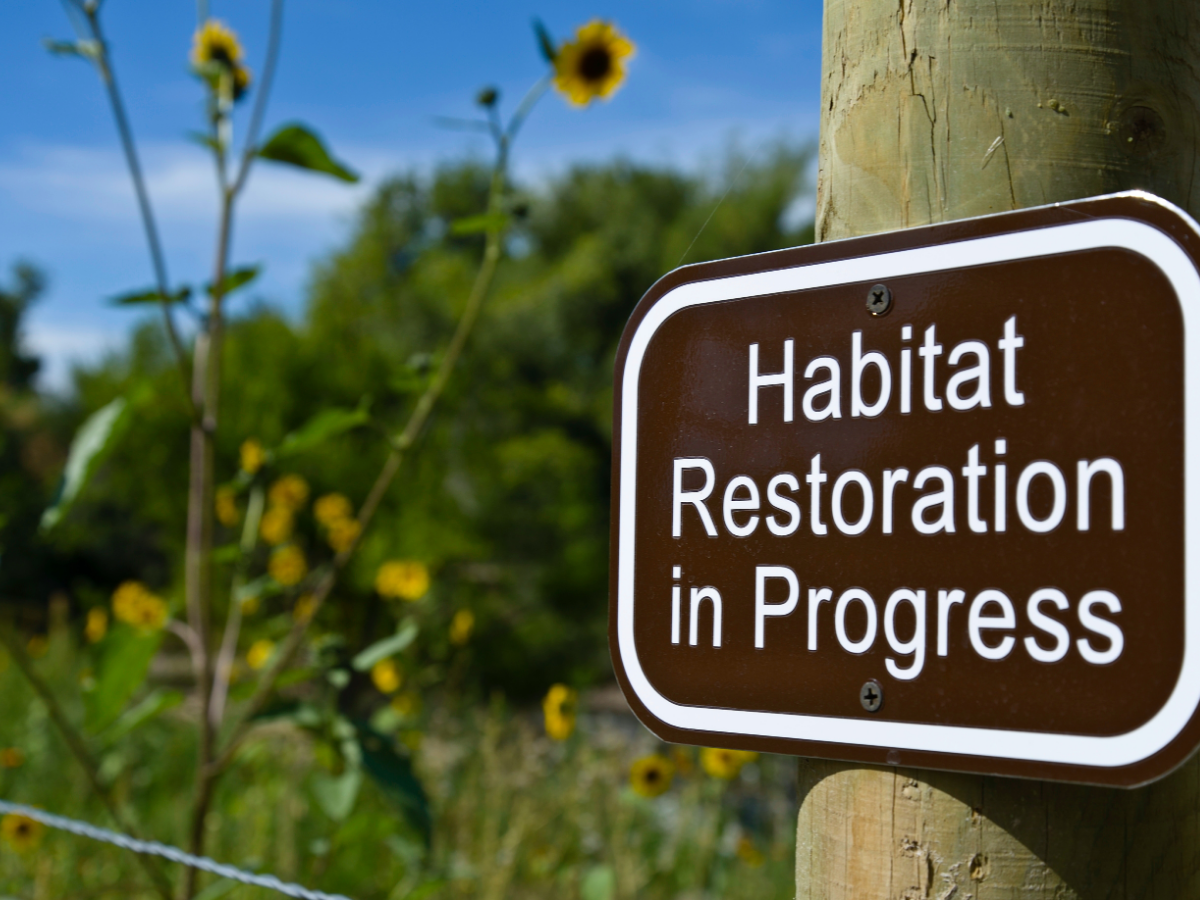
You’ve pulled the invasives, high-fived your fellow weed warriors, and now you’re staring at… a patch of bare dirt. What’s next? This is where the real magic happens—restoring the land so those pesky invaders don’t make a comeback. Think of it like putting up a “No Vacancy” sign for unwanted plants. By replanting with hardy native species, adding mulch, and giving the soil some love, you’re helping create a resilient, self-sustaining space that can resist future invasions. It’s less about landscaping and more about ecosystem rebuilding—kind of like giving nature a strong comeback story.
Some of our favorite resources:
Enlist Your Neighbors
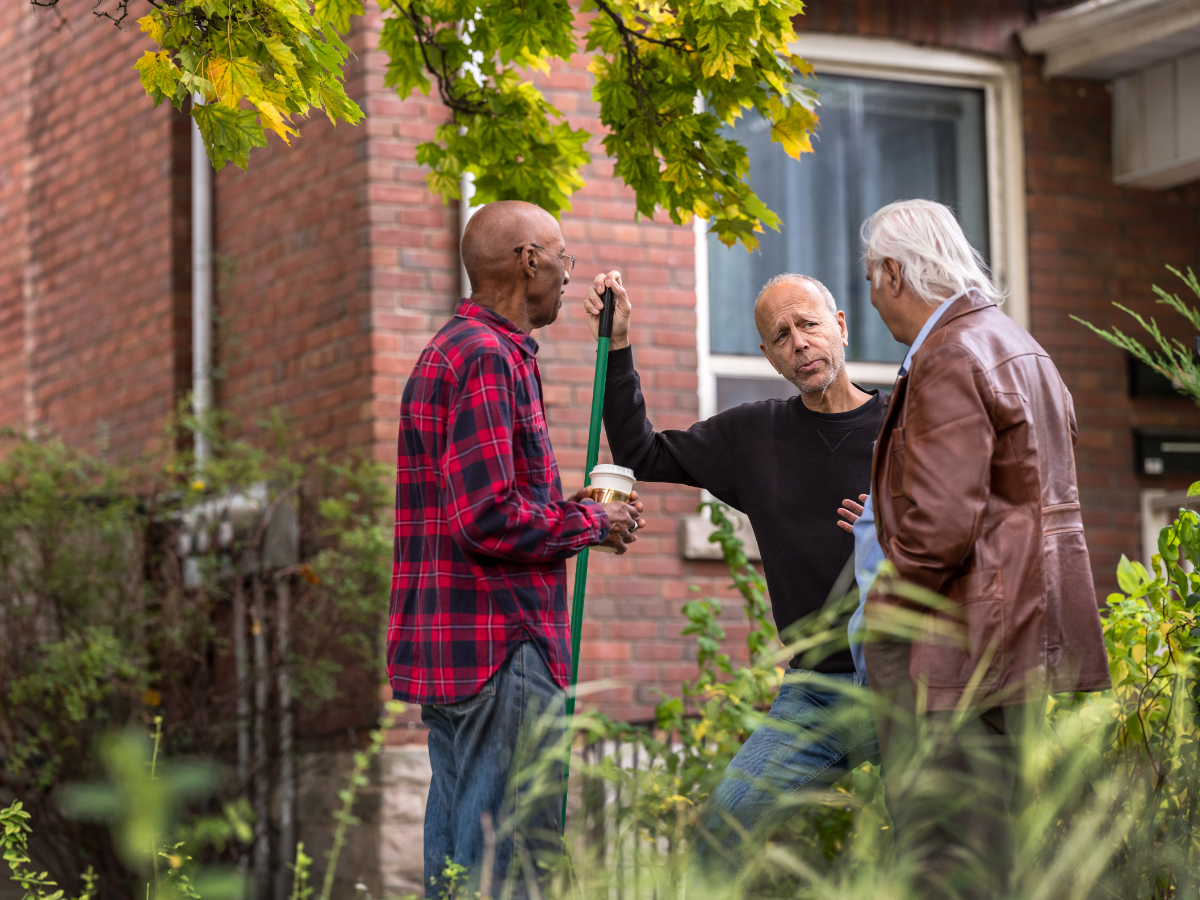
One pollinator patch is great, but imagine a whole block blooming with native plants, buzzing with bees, and fluttering with butterflies. Educating your neighbors helps grow the movement beyond your fence line, turning isolated habitat islands into connected corridors for birds, bugs, and other backyard visitors. Sharing what you’re doing—whether it’s planting milkweed for monarchs or swapping out turf for native wildflowers—can spark curiosity and conversations. A friendly chat, a yard sign, or even a mini garden tour can go a long way in showing that wildlife-friendly gardening isn’t just good for the planet—it’s beautiful, rewarding, and honestly, way more fun than mowing. It’s like starting a neighborhood nature revolution—one milkweed at a time.
Some of our favorite resources: